Jeanloup Sieff was born on November 30, 1933, in Paris, France, to a family of Polish origin. His name, with an unusual combination of French and Germanic roots, was invented by his parents, who combined «Jean» and «Loup» to create a distinctive name.
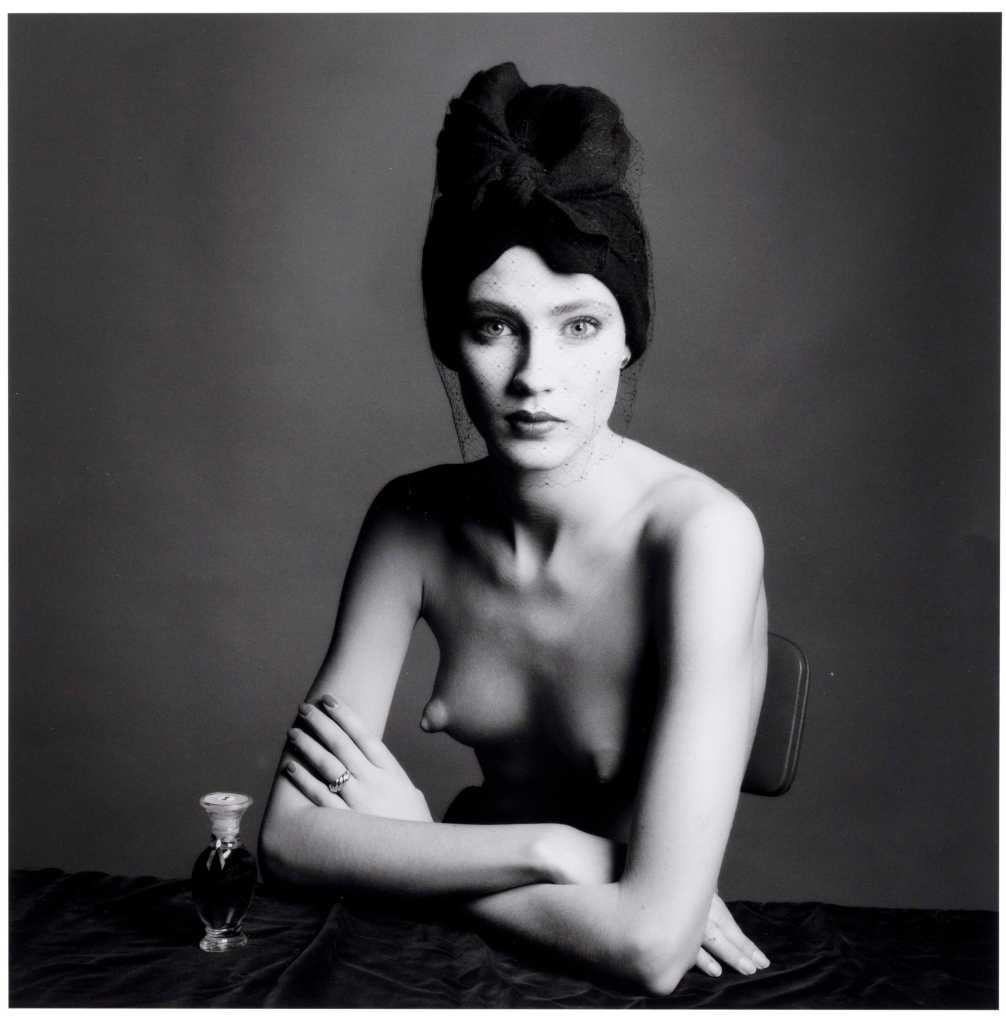
From a young age, he showed a deep interest in images and visual storytelling. His approach to photography was not immediate; he first studied literature and journalism, which gave him a critical and narrative background that would later inform the reflective approach of his photographic work. It was in 1949, at the age of 16, that he received his first camera as a gift: a Photax. This fortuitous act would mark the beginning of a career that would make him one of the most influential photographers of the 20th century.
In 1953, he enrolled at the prestigious IDHEC (Institut des Hautes Études Cinématographiques) film school, but soon abandoned filmmaking to devote himself fully to photography. He studied photography at the Vaugirard School in Paris, where he received rigorous technical training that consolidated his passion for the medium. He also worked as an assistant in the Elle magazine lab, where he had direct contact with the editorial processes and began to understand the dynamics between image, fashion, and communication.
Jeanloup Sieff’s career spanned more than four decades, and he distinguished himself by an unusual ability to move between genres (fashion, portraiture, nude, landscape, and advertising photography) without losing his unique voice. After his early years as a film and photography student in Paris, and a brief stint as an assistant in the Elle magazine lab, he began working as a freelance photographer in the second half of the 1950s. At the time, fashion and visual culture publications such as Réalités, Jardin des Modes, Marie Claire, and Elle offered fertile ground for experimenting with a new, freer, and more sophisticated visual language. Sieff was profoundly cosmopolitan, and this was reflected in both his visual references and his professional attitude. His early images already revealed a constant concern with composition, atmosphere, and, above all, with the construction of desire through the image.
A defining moment in his career was the report he made in 1958 on the filming of Une double vie, directed by Claude Chabrol in Tunisia. This experience connected him with cinema and documentary photography, two influences that would constantly intersect in his later work. That same year, he won the prestigious Prix Niépce, an award that gave his work visibility in the French publishing world.
In 1959, he was accepted into the Magnum Photos agency, an institution that at the time boasted giants such as Henri Cartier-Bresson, Robert Capa, and Elliott Erwitt. Although his tenure with the agency was brief (he left in 1960), this period helped him consolidate a more narrative working method, which he would later apply even to his fashion series. Unlike other Magnum photographers more committed to the social dimension of reportage, Sieff always maintained a more aesthetic, melancholic, and existentialist outlook, closer to French literature or art-house cinema than to pure photojournalism.
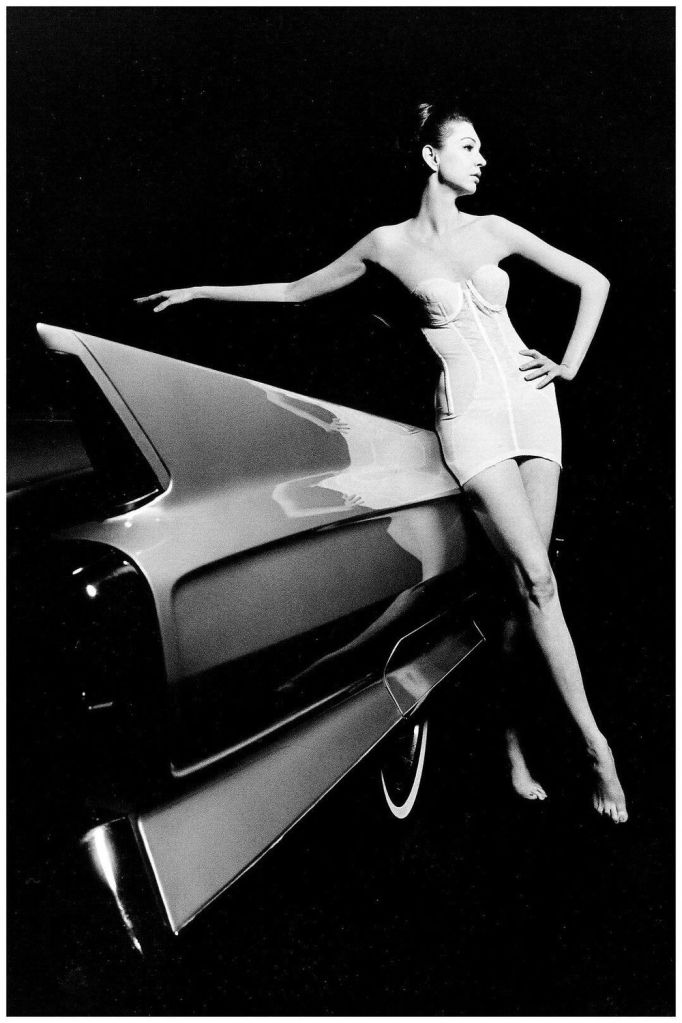
The decisive phase of his career began in the early 1960s, when he moved to New York. There, he worked for magazines such as Look, Esquire, Harper’s Bazaar, and Vogue USA, also collaborating with advertising agencies and major fashion houses. In the capital of visual consumption, Sieff found a dynamic but profoundly different environment from Europe. Although he admired figures such as Avedon and Penn, he never sought to imitate them: his fashion photography in the U.S. was characterized by a subtle irony, European nostalgia, and a restrained eroticism that contrasted with the artificial glitter of the industry.
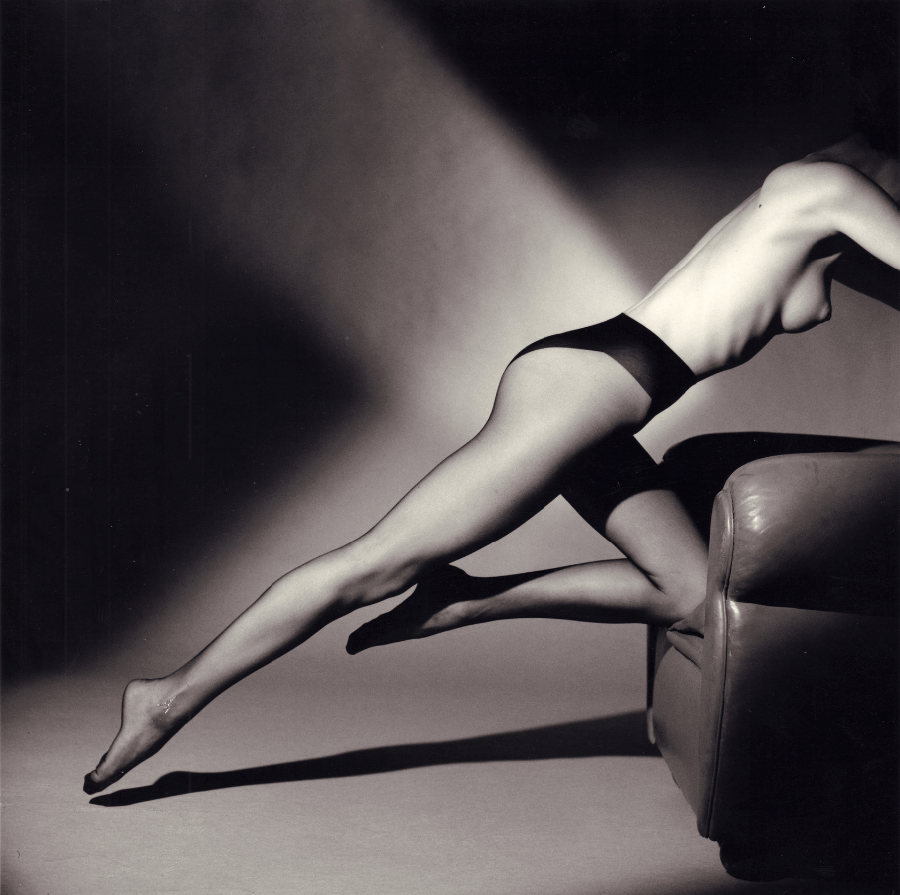
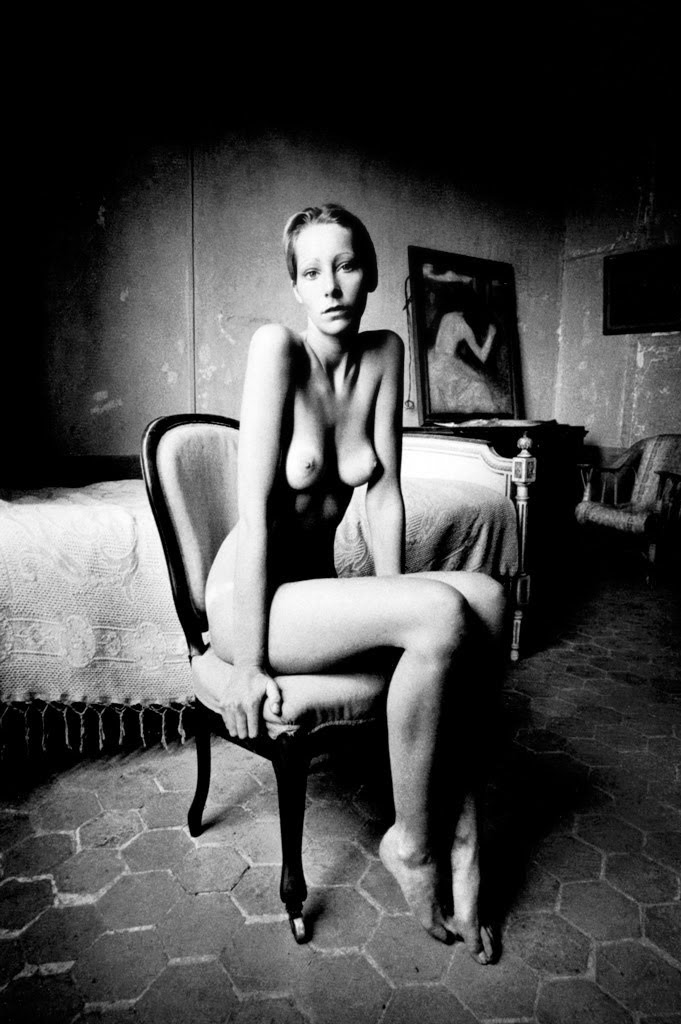
Even in the United States, Sieff often worked in black and white, when color was beginning to dominate editorial photography. This attachment to monochrome was not a nostalgic gesture, but a clear aesthetic choice: black and white allowed for emotional abstraction, a concentration on form, light, and contrast. During these years, he also consolidated his use of the wide-angle lens, which would become one of his most characteristic technical trademarks. With this tool, Sieff gently distorted the proportions of the human body and interior spaces, generating a sense of elegant and poetic estrangement.
In 1966, he returned to Paris, where he resumed his collaborations with Vogue Paris and also began working with magazines such as Queen, Nova, Stern, and Twen. Unlike many photographers who remain anchored to a single genre or style, Sieff alternated fashion work with portraits, advertising photography, documentary series, and personal projects. He photographed writers, dancers, politicians, filmmakers, and designers with the same sensitivity with which he portrayed empty landscapes or suggestive nudes.
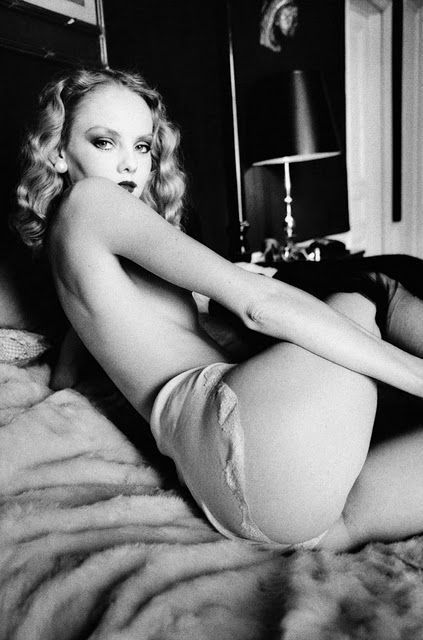
In the 1970s, his work underwent a significant transition. Gradually abandoning more commercial fashion assignments, Sieff turned to exploring the female nude as an art form. This decision, although provocative at the time, never resulted in explicit or sensationalist images. His treatment of the female body was deeply respectful: he sought structural beauty, volume, and texture, rather than direct seduction. Publications such as Chambre Close and Dessous reflect this evolution, combining eroticism and body architecture with lighting that borders on the sculptural.
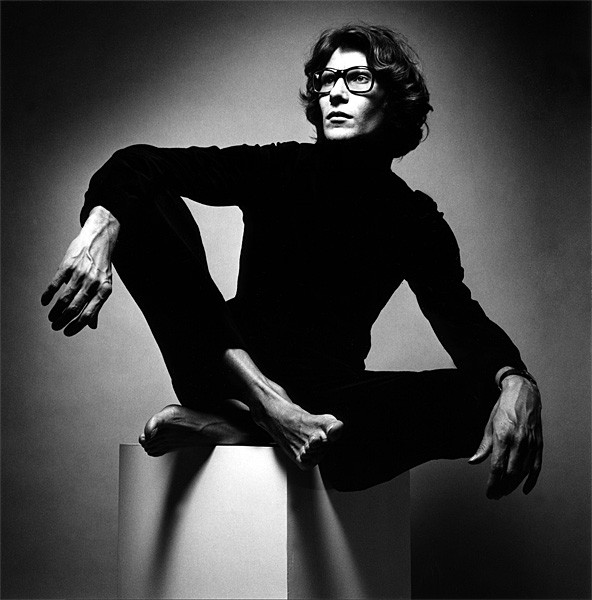
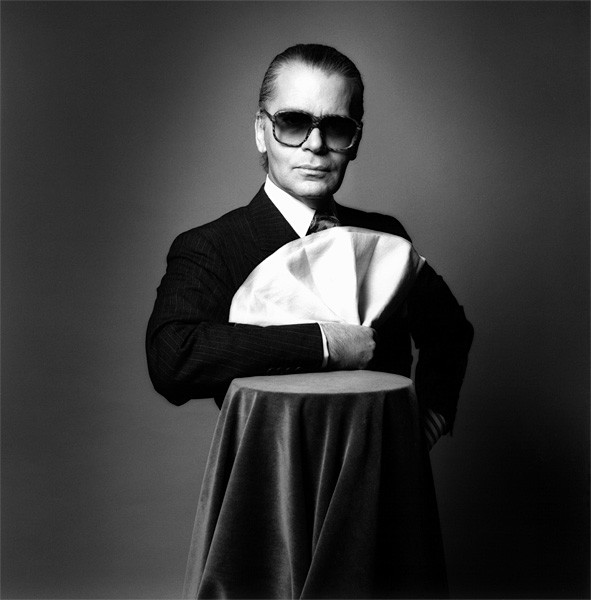
During this same decade, Sieff also developed an intense output of portraits of personalities from the worlds of art, fashion, and entertainment. He portrayed figures such as Alfred Hitchcock, Yves Saint Laurent, Romy Schneider, Jane Birkin, François Truffaut, Serge Gainsbourg, and Rudolf Nureyev. At the same time, he explored landscape as an expressive genre. During travels throughout Europe, North America, and North Africa, he photographed arid landscapes, deserts, gardens, churches, empty roads, and interiors steeped in history. His approach to landscape, far from documentary or naturalistic, was introspective and symbolic. The spaces seemed uninhabited, suspended in time. Works such as Voyage d’hiver and Lumières reveal this more reflective and philosophical side of his work.
In the 1980s and 1990s, Sieff enjoyed increasing institutional recognition. He participated in major solo and group exhibitions, was the subject of retrospectives in museums and galleries in Europe and the United States, and his work was acquired by public collections such as the Centre Pompidou, the Maison Européenne de la Photographie, and MoMA in New York. Several monographs on his work were also published, which he designed himself and introduced with ironic, lucid, and self-aware texts.
Despite his fame, Sieff never stopped experimenting or working on commission. His advertising photography, for example, was never purely commercial: even in campaigns for perfumes, watches, or fashion, he managed to incorporate his unique visual style, with images that blended humor, sensuality, and minimalism. This ability to elevate the commission into a work of art was one of his greatest virtues.
His photos could be sober, mysterious, or sensual, but never empty. He wasn’t so much interested in reality as it is, but in how he could visually transform it to convey emotion.
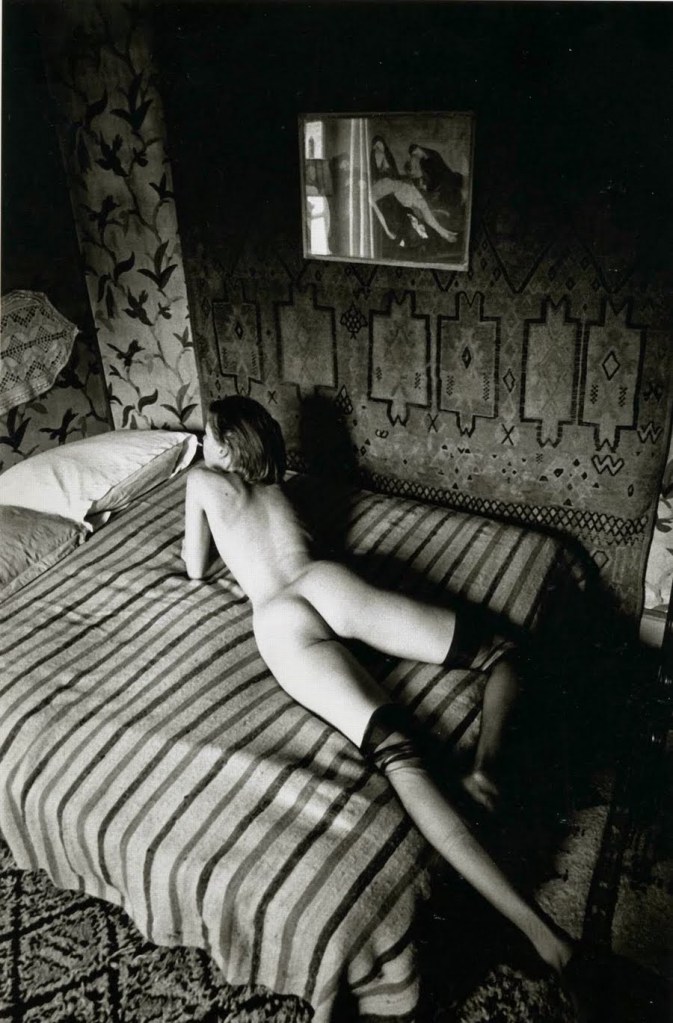
One of the most characteristic aspects of his work is his use of wide-angle lenses. This technique allowed him to exaggerate the proportions of the body or space, elongating legs, distorting perspectives, making a room appear larger or stranger than it was. But he didn’t do this for mere visual effect: this distortion helped him create a distinct, almost dreamlike atmosphere, as if his photos came from a slightly distorted but highly aesthetic world.
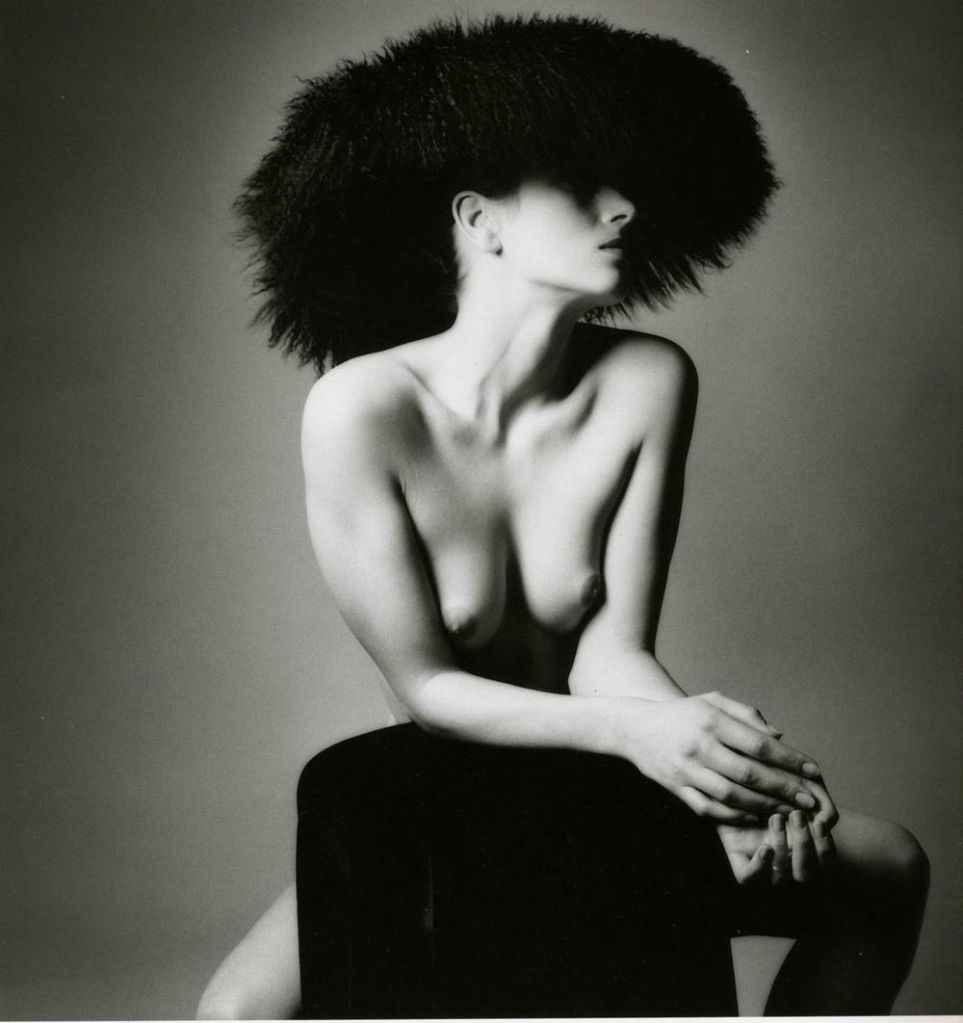
Light was another of his most carefully crafted instruments. Sieff knew how to use it to highlight the curves of the body, the textures of a fabric, or the depth of a gaze. He often worked with strong shadows, with dark areas contrasting with white skin or black dresses. This gave his photographs a very intense visual force, but also an air of intimacy.
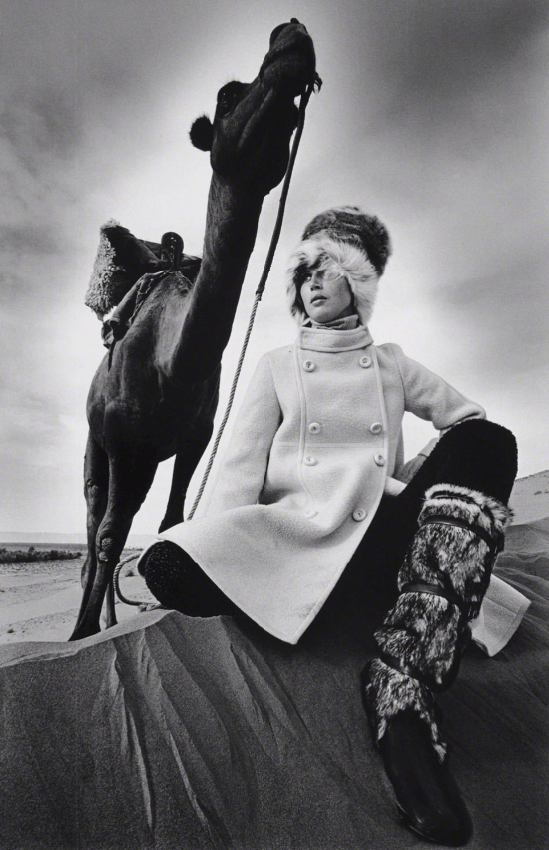
In his fashion photography, Jeanloup Sieff broke away from rigidity and posedness. Although his models were clearly directed, their poses were freer, more natural. He didn’t seek to show just the clothes, but rather an attitude, a character, a story. Rather than simply documenting fashion, he transformed it into an artistic expression.
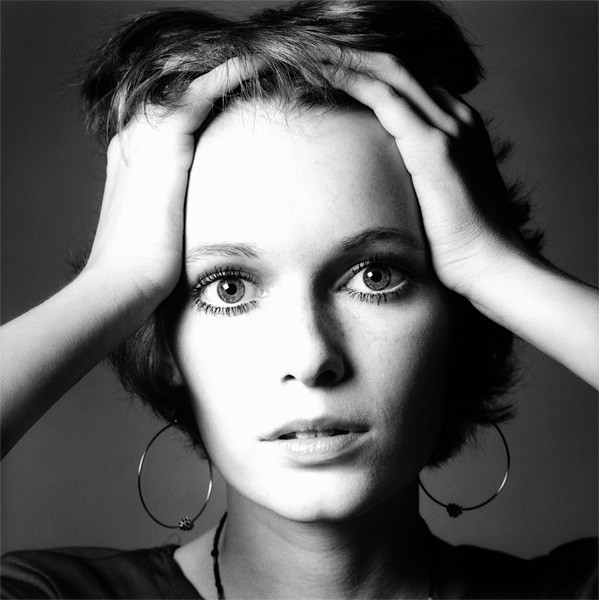
The nude was another central theme in his work. He photographed female bodies for years, not from a perspective of traditional male desire, but rather from a perspective closer to classical art. His nudes are sensual but not vulgar; they are compositions where the body becomes a sculpture of light and shadow. In these photos, the body is not a sexual object, but a form admired for its beauty.
In his portraits, Sieff had a special ability to capture something intimate in people. He didn’t always aim for the perfect smile or pose. He portrayed many famous figures—actors, dancers, designers, and musicians—but always with a very human approach. He didn’t seek to highlight their fame, but rather to show a sincere image.
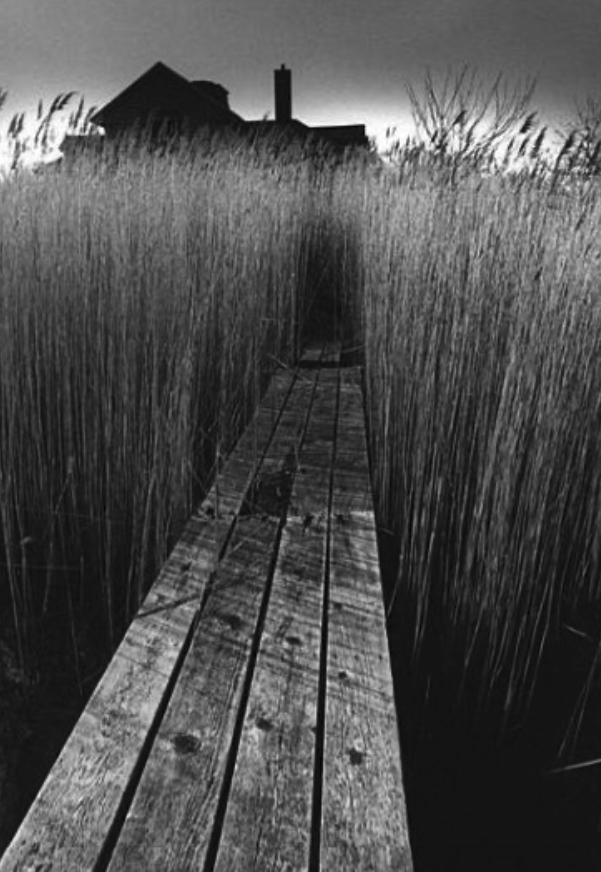
His landscape work is less well-known, but equally interesting. He photographed empty places, deserts, gardens, beaches, and old rooms. They were tranquil scenes, devoid of people, where time seemed to stand still. In these landscapes, there was a sense of nostalgia, of waiting, of something that has already happened or is about to happen. He used the same aesthetic as in his portraits or nudes: black and white, wide-angle, and close attention to framing and light. The result was silent but highly expressive images.
He also did advertising photography, but he never sacrificed his style. Even in perfume or watch ads, one could immediately recognize his hand: the same care for light, framing, and atmosphere. For him, there was no difference between a personal photo and a commissioned one. Everything had to have quality, intention, and beauty.
Another important characteristic of Sieff was his sense of humor. Although many of his photographs have a serious or dramatic appearance, he himself said he didn’t take himself too seriously. In his books and interviews, he spoke ironically about the world of fashion, about art, and about his own work.
Jeanloup Sieff was a photographer who knew how to blend technique, emotion, and style in a unique way. His work doesn’t seek to impress with effects, but rather to move with well-thought-out, well-constructed images that invite one to look closely. He managed to transform fashion photography into art, to transform the nude into visual poetry, and to transform even the everyday into something magical. Therefore, even as the years pass, his photographs remain modern, elegant, and profoundly beautiful.
In the last years of his life, he worked closely with his daughter, Barbara Sieff. Their creative bond was strong, and Barbara was also one of the first responsible for preserving and promoting his legacy after his death.
Jeanloup Sieff died in Paris on September 20, 2000, at the age of 66. His passing left a void in the world of photography, but his legacy lives on through his books, exhibitions, and the profound impact he had on generations of photographers who, like him, believe in the poetry of form, the irony of the gaze, and the mystery of light.
Published Books
Jeanloup Sieff was a prolific author. He published more than twenty books, many of which are considered seminal works of contemporary photography. Some of the most important are:
- Jeanloup Sieff: 40 Years of Photography (Taschen,
- Jeanloup Sieff: Dessous (2002)
- Jeanloup Sieff: Portraits of the 20th Century (1999)
- Jeanloup Sieff: Nude (1998)
- Jeanloup Sieff: Fashion (1997)
- La Mode (1980)
- Voyage d’hiver (1995)
- Lumières (1986)
- Demain le temps sera meilleur (1980)
- Chambre Close (with his daughter Barbara, 1990)



 Camara Work
Deja un comentario