Photography, since its invention in the 19th century, has been considered one of the most powerful and versatile art forms. Although many reduce it to a mere technical exercise, the reality is that photography transcends the mechanical to become a visual language capable of conveying emotions, telling stories, and capturing the very essence of humanity.
Photography, at its core, is much more than the mastery of technique. While knowledge of exposure, light management, camera, and lighting equipment are fundamental, what truly defines a great photograph is its ability to convey emotions, tell stories, and reveal a unique vision of the world. Photography is a visual language that transcends the purely mechanical and becomes a tool for artistic, philosophical, and social expression. Throughout history, numerous photographers have demonstrated that the impact of an image lies in its meaning, not just its technical precision. Below, we will explore how various figures in photography have taken this art beyond the technical, transforming it into a profound manifestation of human thought and emotion.
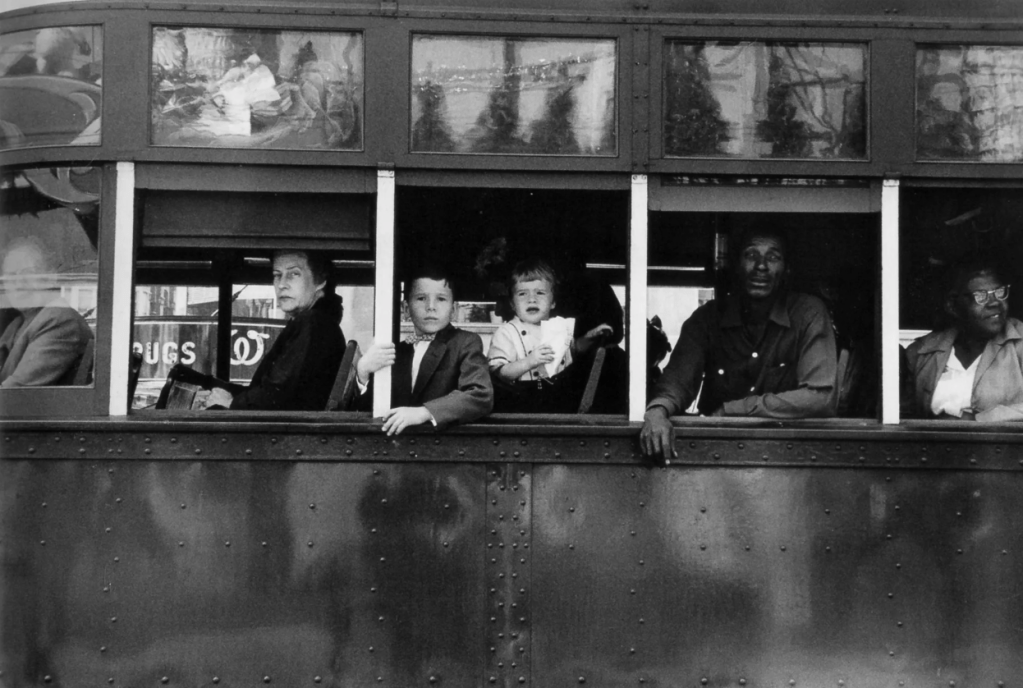
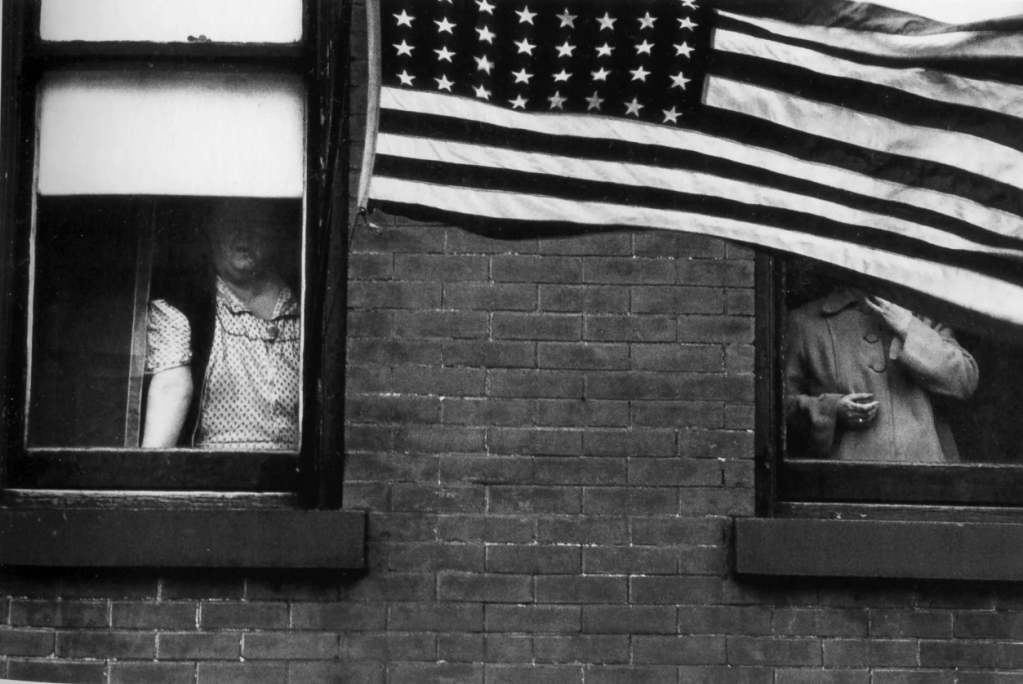
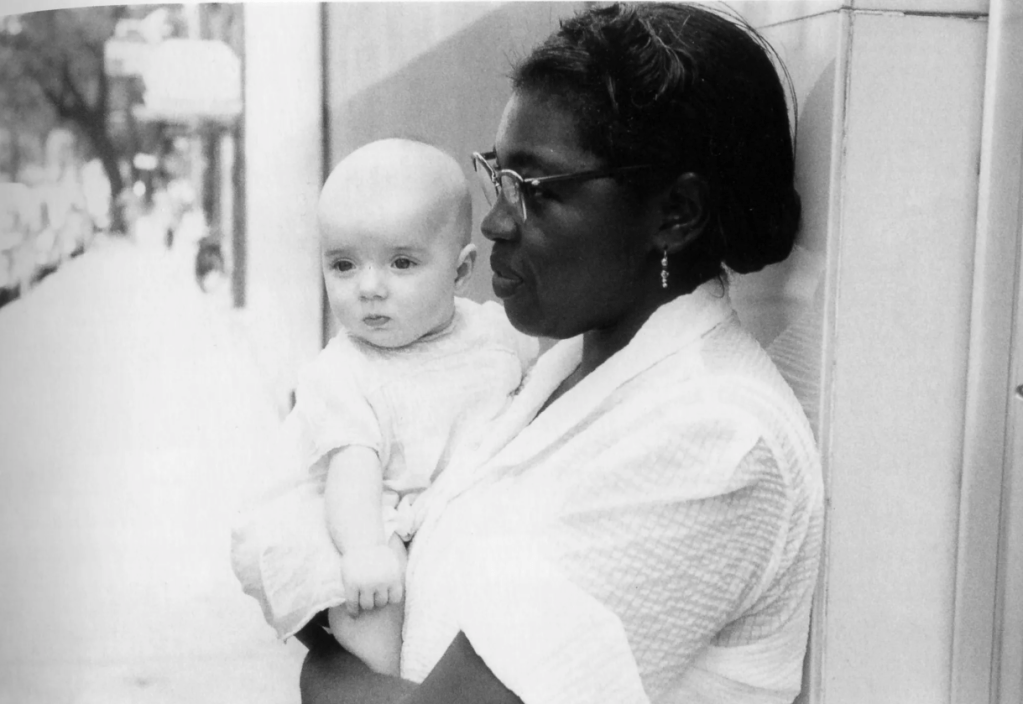
One of the finest examples of photography as emotional expression is Robert Frank, whose book The Americans revolutionized documentary photography by presenting a raw, personal portrait of American society in the 1950s. Frank used a freewheeling approach, with seemingly careless framing, yet his work is celebrated for its intensity and visual storytelling. His images capture the hope and contradiction in everyday life, proving that photography doesn’t need to be technically perfect to be profoundly powerful.
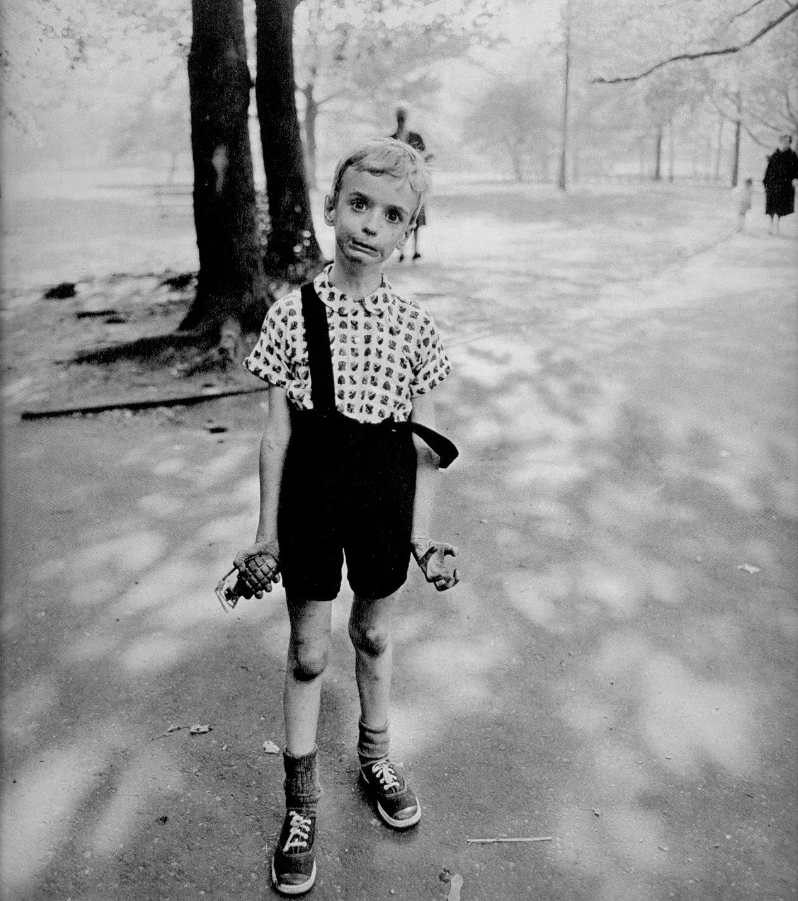
Another emblematic case is that of Diane Arbus. Her portraits of marginalized people and atypical figures in American society focus not on technical perfection, but on the emotional connection they generate. Arbus’s images confront us with the strange, the unknown, and, at times, the unsettling. Her photographs invite us to question our notions of normality and beauty, something no photographic technique alone can achieve.
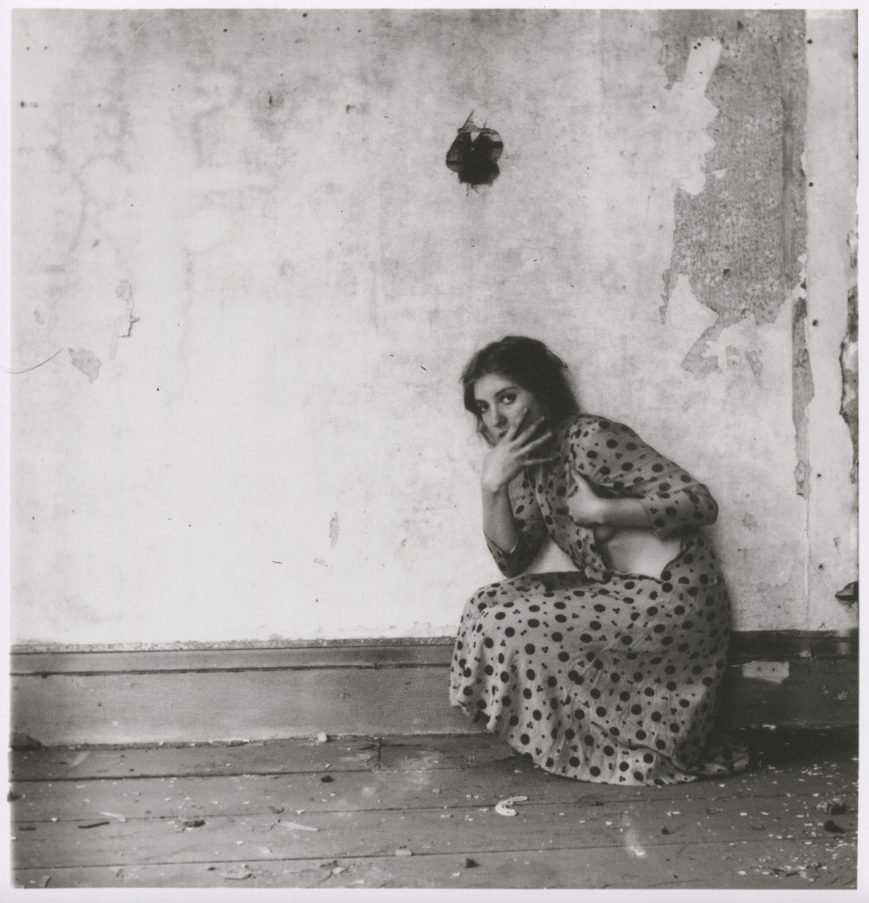
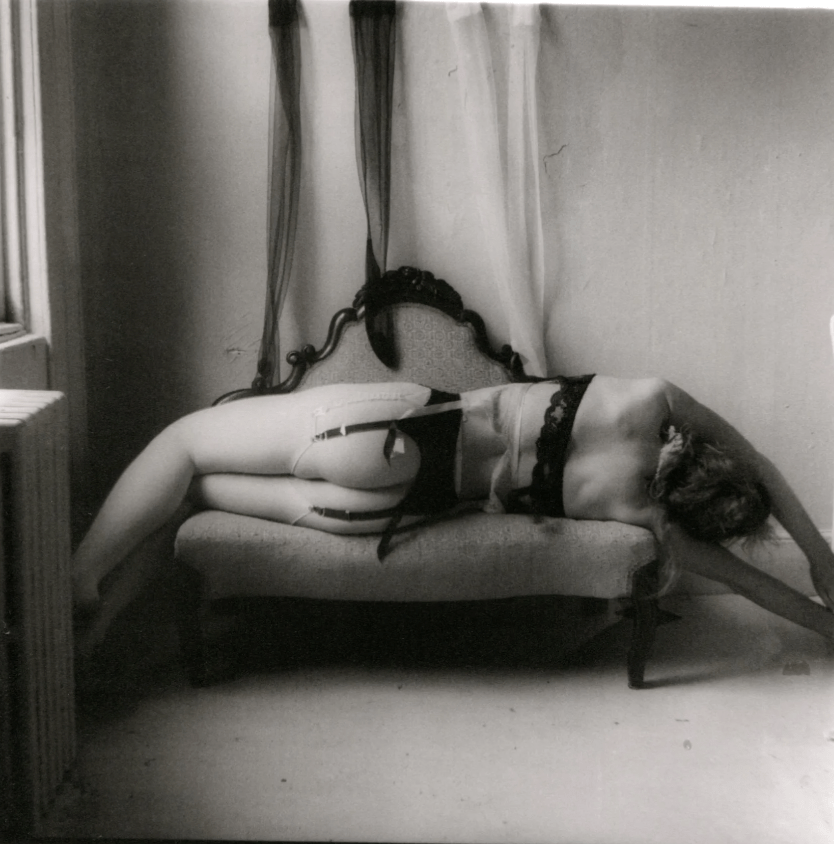
For some photographers, the camera is a tool for exploring their own subjectivity and the nature of time and memory.
Francesca Woodman, for example, created dreamlike images and self-portraits that challenge the perception of the body and identity. Her work doesn’t follow traditional rules of composition or lighting, but its strength lies in its ability to convey a sense of fragility and transcendence.

Similarly, Saul Leiter broke with the norms of street photography by using vibrant colors, reflections, and abstract framing that are more reminiscent of painting than traditional documentary photography. His work demonstrates that photography can be a subjective visual exploration in which intuition and emotion play a central role.


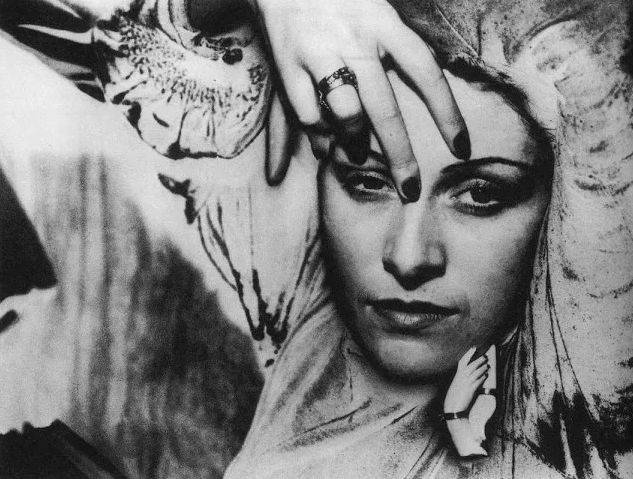
Another photographer who challenged the traditional boundaries of photography is Man Ray, who, through his experimentation with light and the technique of solarization, transformed photography into a surrealist medium. His images did not seek technical perfection, but rather explored new forms of visual and artistic representation, demonstrating that photography can be a manifestation of imagination and abstraction.

Among Asian photographers, Daidō Moriyama is a key figure in the visual exploration of the urban and the chaotic. His high-contrast, intentionally blurred style captures the speed and strangeness of life in Japanese cities, demonstrating that photography can be a medium for expressing the sensorial intensity of the environment.


Another photographer who challenged the traditional boundaries of photography is Nobuyoshi Araki, who explores themes of eroticism, life and death through techniques that combine the raw and the sophisticated.
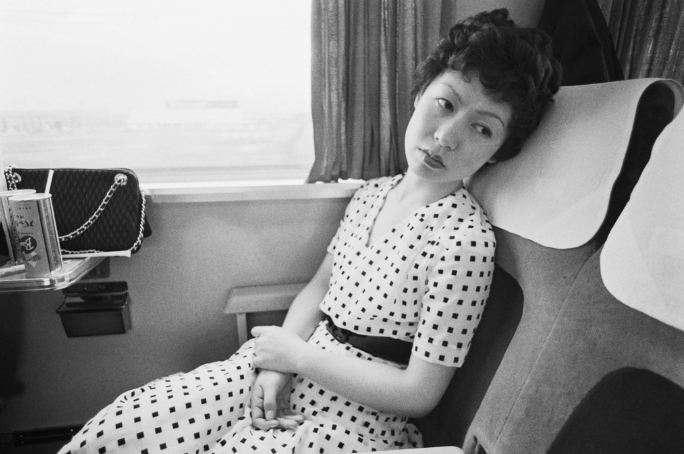
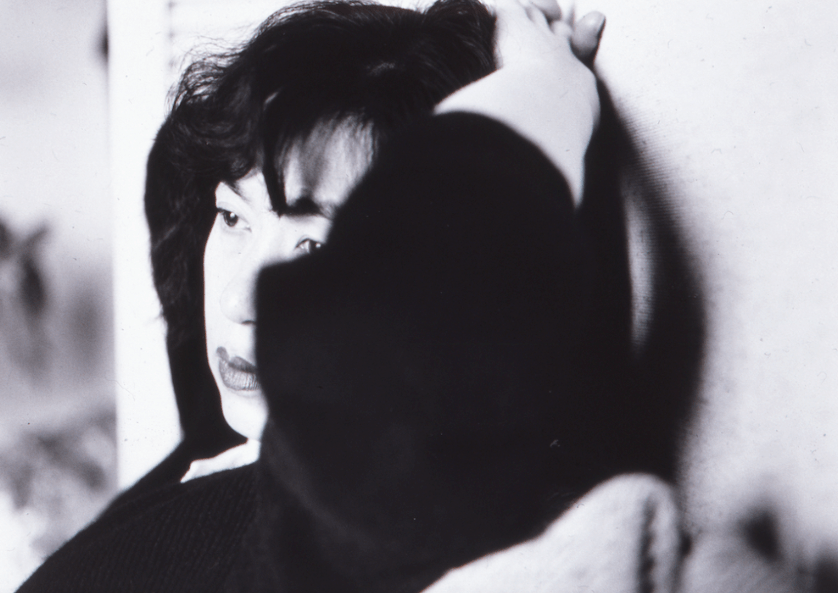
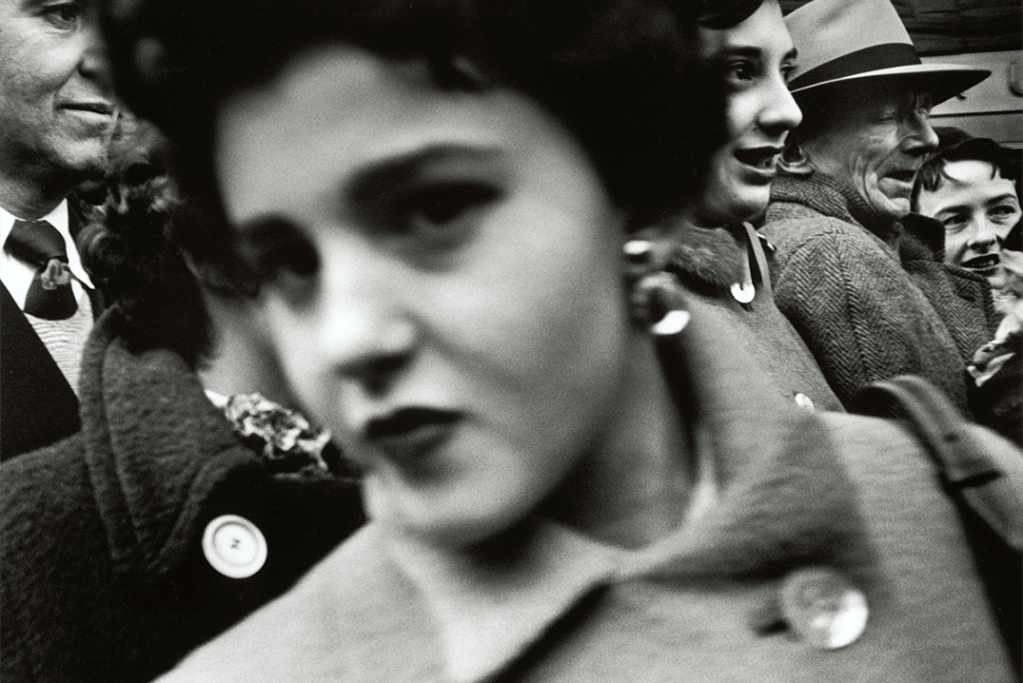
William Klein revolutionized street photography in the 1950s and 1960s with his aggressive, casual style. He used extreme angles, out-of-focus, and high grain to capture the raw energy and chaos of cities like New York, Tokyo, Rome, and Moscow. Klein rejected technical conventions by prioritizing emotional intensity over sharpness and perfect exposure, creating a visual language that defies tradition and offers a biting critique of contemporary society.
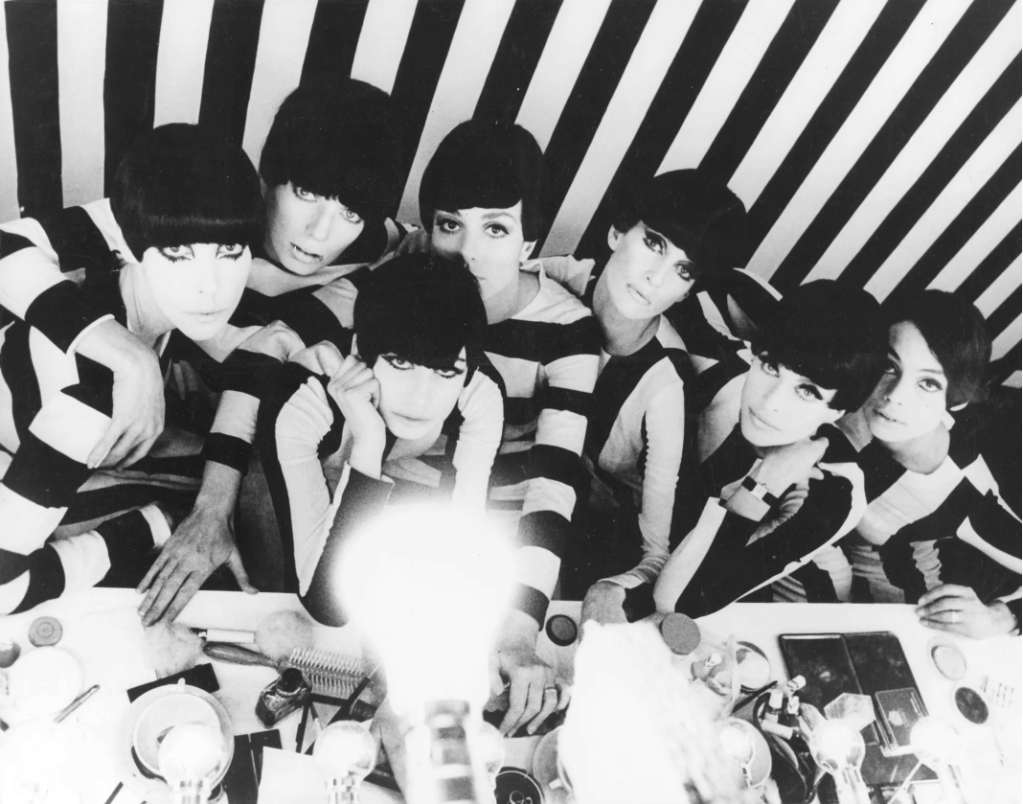
While technique is a necessary starting point in photography, what truly defines a memorable image is its ability to communicate a vision, a feeling, or an idea. Great photographers have transcended technique to transform photography into a visual language capable of moving, inspiring, and generating change. Photography is not just the sum of rules and parameters; it is an art form that can become a profound reflection of the human condition.

 Camara Work
Deja un comentario