Mario Testino was born on October 30, 1954, in Lima, Peru, to an upper-middle-class family with deep Catholic roots. His Italian, Spanish, and Croatian ancestry contributed to a cosmopolitan identity that would later be reflected in his visual sensibility. From a young age, Mario was aware of the social and cultural differences that permeated Peru, a country marked by contrasts between indigenous and European, popular and elitist. This dual environment, although socially rigid, fueled his imagination and his desire to explore more open worlds.
During his youth, Testino had no direct access to art or photography as a professional training. Art careers weren’t discussed in his home, and like many young people of his social class, he was expected to pursue a «serious» career. He began his university studies in Economics at the Universidad del Pacífico in Lima, but soon felt that wasn’t his calling. Aware that he needed a change of direction, in 1976 he decided to travel to London, a city that attracted him for its vibrant cultural life and creative freedom.
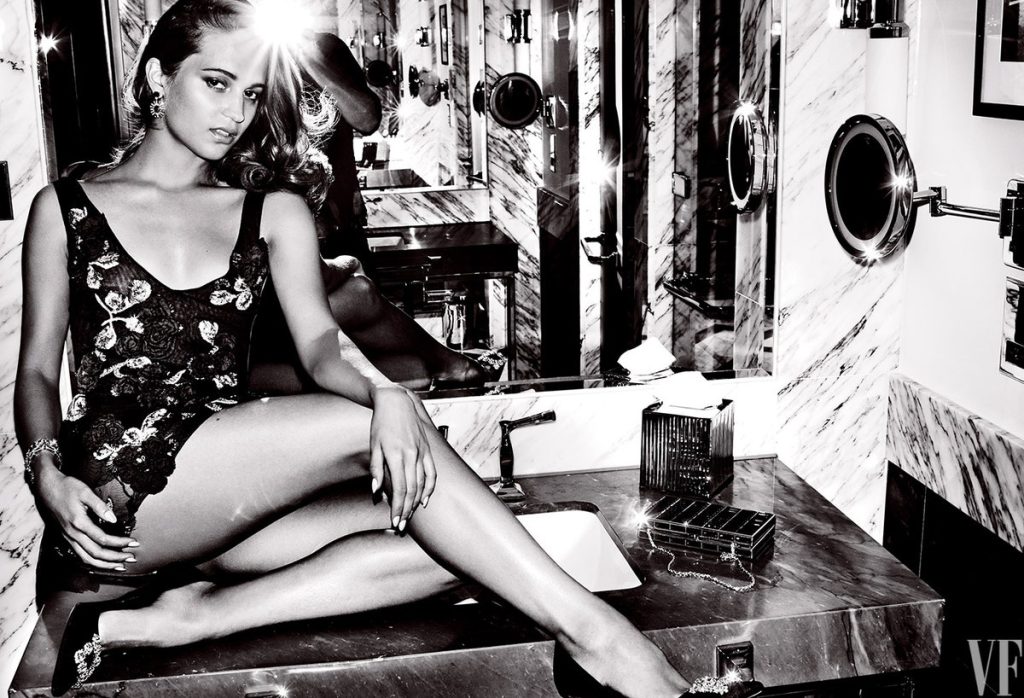
Upon arriving in London, with no connections and limited resources, he lived for a time in modest conditions. He enrolled at the London College of Printing, where he studied photography while working as an assistant to other photographers. He developed his first portfolio by shooting sessions with friends and emerging models, often taking pictures in hotels and outdoors, taking advantage of natural light.
The 1970s and early 1980s were a key formative period for Testino. He witnessed the punk scene and the rise of London’s alternative culture. While his later style moved away from the transgressive nature of punk, this creative effervescence taught him to challenge conventions, break away from academic rigidity, and develop his own unique vision: a blend of European sophistication, Latin sensibility, and modern audacity.

During this time, Testino also began to understand the importance of fashion not only as an industry but also as a visual language. He understood that he could use the aesthetic language of luxury as a narrative tool. This led him to a deep interest in the human figure, in gesture and pose as expressions of identity and desire.
His first works appeared in independent magazines such as Blitz and The Face, where he developed a fresh, youthful, and glamorous aesthetic that began to attract the attention of fashion editors. Thanks to his tenacity, charisma, and ability to build personal relationships, he gradually made his way into the closed publishing world. His big break came when he was invited to contribute to Vogue, and from then on, his rise has been meteoric.
Thus, from a young man from Lima who left for Europe with no clear direction, Mario Testino became one of the world’s most influential photographers. His story is also one of personal and artistic transformation, driven by a desire for beauty, recognition, and cultural connection between different worlds.
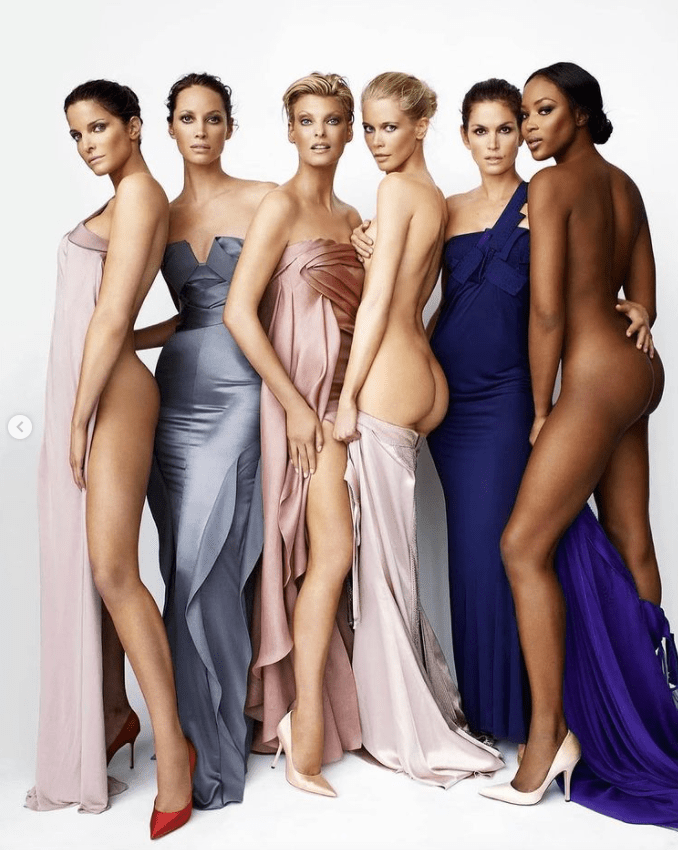
Testino’s work must also be understood within the cultural context of the late 20th and early 21st centuries. He emerged as a key figure in the 1990s, at a time when fashion and pop culture enjoyed an unprecedented symbiosis. It was the era of supermodels, the cult of celebrity, and the consolidation of the luxury industry as a global language.

Politically, his Latin American ancestry and European training position him at an interesting crossroads of cultures. Testino has never hidden his Peruvian heritage and, in recent years, has made significant efforts to promote Andean art and culture through the MATE cultural foundation in Lima, a museum he founded in 2012 to preserve and exhibit both his work and contemporary Peruvian art.
Mario Testino’s professional career is one of the most distinguished in the history of fashion photography. From humble beginnings as an assistant in London to becoming one of the most influential portraitists of royalty, celebrities, and the world’s most prestigious fashion houses, Testino has built an unprecedented visual legacy.
During the 1980s, Testino honed his technique at independent British magazines such as Blitz, i-D, and The Face, which were part of London’s youth counterculture. His approach shifted away from traditional editorial coldness: he showcased lively bodies, sexual energy, carefree gestures, and a composition that emphasized the human over the accessory. This blend of elegance and casualness began to attract the attention of more established fashion editors.

His breakthrough came in the 1990s, when he began collaborating with British Vogue under the direction of Liz Tilberis and later with Vogue US, where Anna Wintour recognized his talent and instinctively made him one of the magazine’s visual pillars. These collaborations marked the beginning of an era in which Testino became synonymous with luxury and modernity.
One of the defining moments of his career came in 1997, when he was selected to photograph Princess Diana for Vanity Fair. The shoot, taken just months before her tragic death, captured an image of Diana, relaxed, luminous, and more human than ever. Far from the rigid protocol that normally surrounded royalty, Testino managed to portray her vulnerability and strength simultaneously. The images, which showed the princess wearing minimalist dresses in a natural and approachable pose, immediately became iconic.
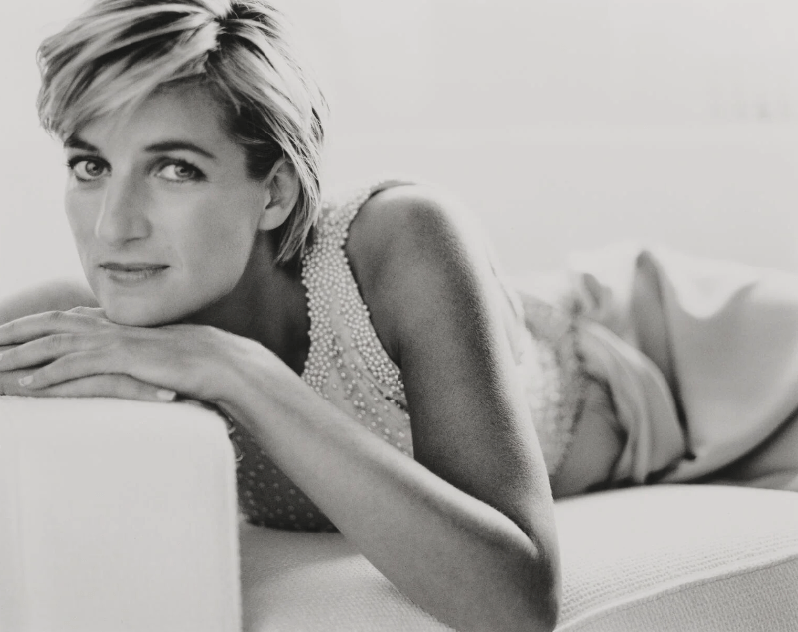
This work not only cemented Testino’s status as the quintessential celebrity photographer, but also opened his doors to the inner circle of British royalty. Years later, he would be commissioned to photograph Prince William and Kate Middleton for their official engagement photographs, and later also worked with Prince Harry and Meghan Markle.
In the 1990s and 2000s, Testino forged close relationships with some of the most influential models of his time, including Kate Moss, Gisele Bündchen, Naomi Campbell, Cara Delevingne, and others. Kate Moss, in particular, became one of his recurring muses, and their artistic chemistry translated into memorable editorials. With Gisele Bündchen, Testino helped build the image of the modern, sensual, and powerful «Brazilian supermodel.»
As for fashion brands, his client list is a true constellation of luxury: Gucci, Versace, Burberry, Chanel, Dior, Dolce & Gabbana, Valentino, Estée Lauder, among many others. One of the highlights of his career was his collaboration with Tom Ford and Carine Roitfeld in the revitalization of Gucci in the 1990s. Testino’s provocative and stylized images were instrumental in repositioning the brand as a symbol of refined and contemporary sexuality.

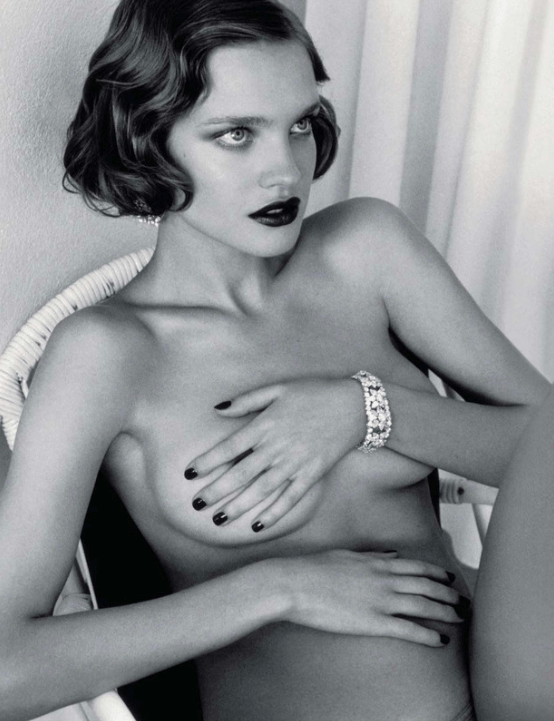
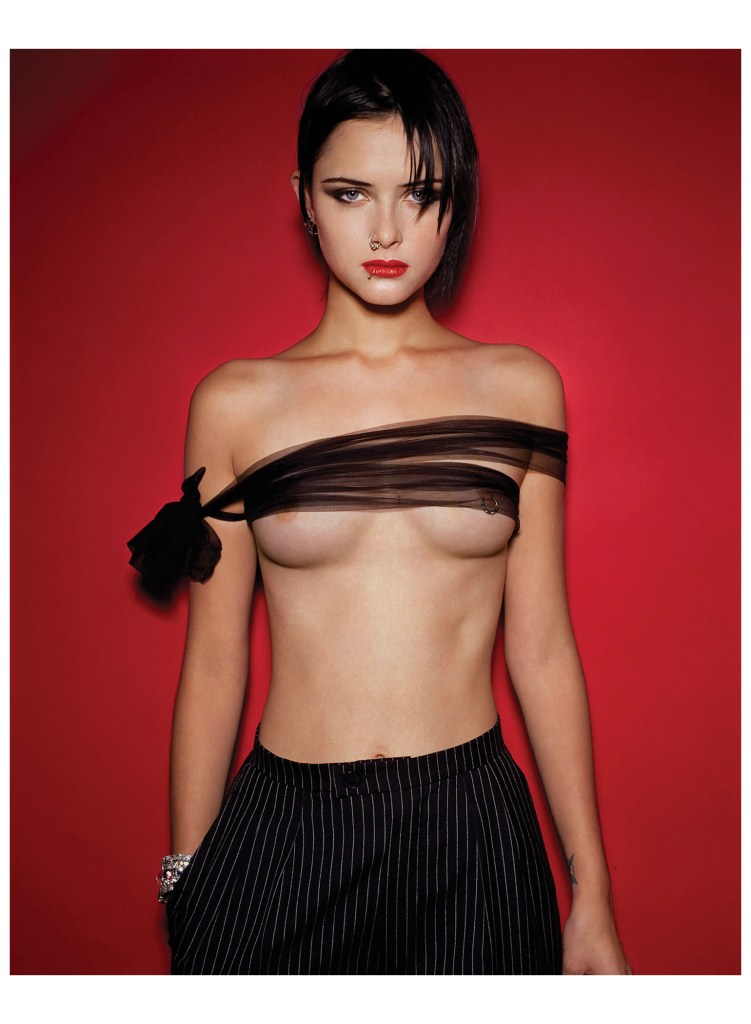
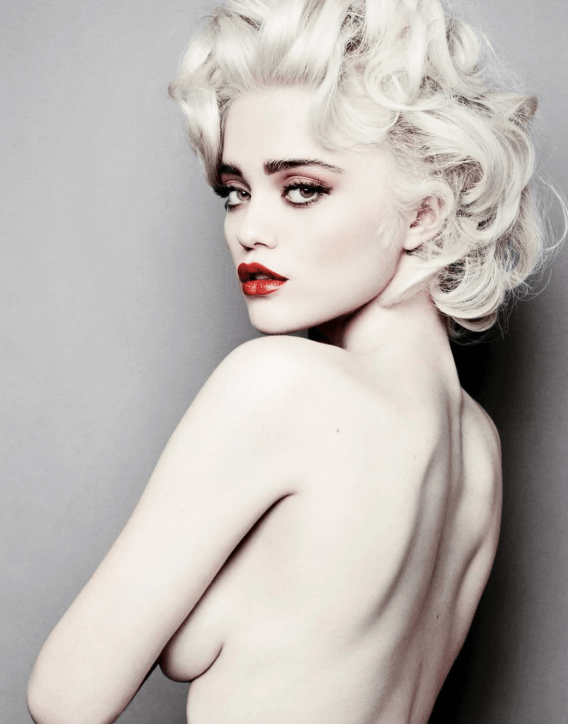
Over time, his style evolved from youthful casualness to a polished sophistication, with more classic compositions charged with erotic and narrative tension. Unlike conceptual or minimalist photographers, Testino embraced controlled excess: shine, skin, an intense gaze, luxury as an attitude. His glamorous aesthetic became a recognizable signature that influenced an entire generation of fashion photographers.
Beginning in the 2000s, his name became synonymous with «luxury photography.» His works began to be exhibited in museums and art galleries, including the Thyssen-Bornemisza Museum in Madrid, Malba in Buenos Aires, and MATE – Museo Mario Testino in Lima, which he founded in 2012 to promote contemporary Peruvian art and culture.
His exhibitions have included titles such as Portraits, In Your Face, and Alta Moda, the latter focusing on the traditional clothing of Peru’s Andean communities, revealing a more introspective and cultural side of his work.
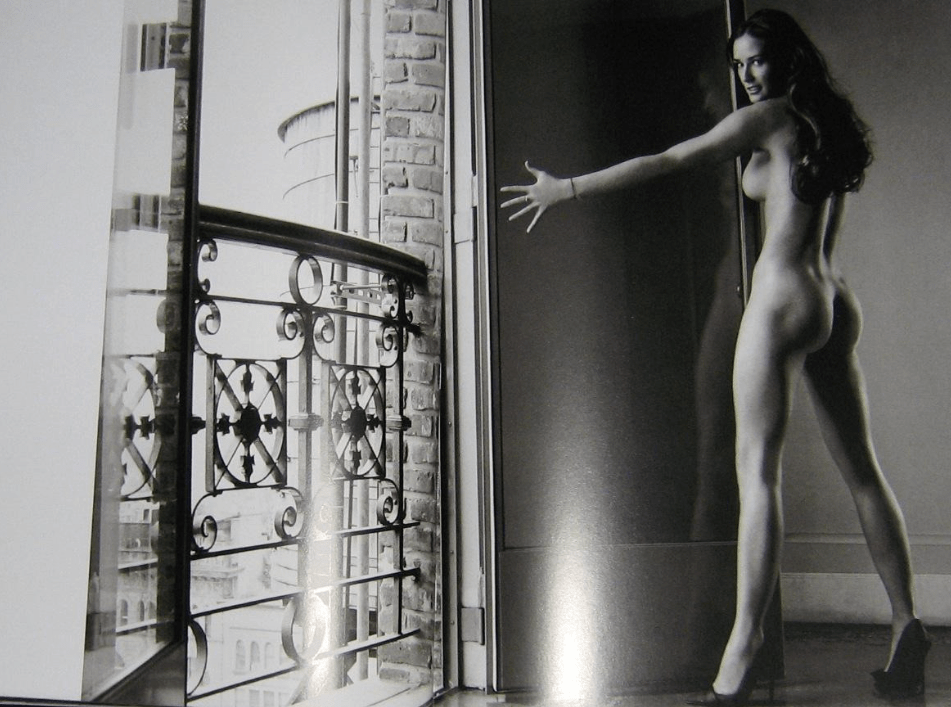
If there is a common thread in Testino’s work, it is seduction. Not a vulgar or explicit seduction, however, but one constructed from the gaze, the gesture, the attitude. His images are imbued with desire: desire for clothes, for youth, for flesh, for status. However, this desire is always stylized, controlled, and theatricalized with almost cinematic precision.
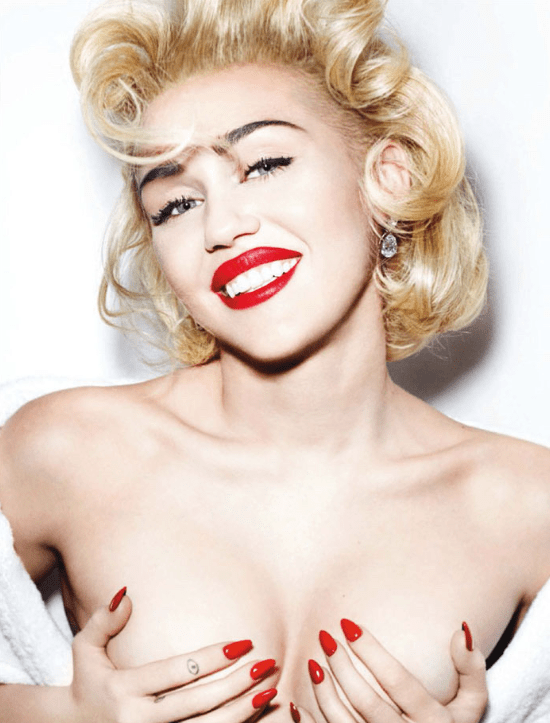
Rather than presenting spontaneous or everyday scenes, Testino creates worlds where his subjects interpret an idealized version of themselves. The camera acts as a mirror in which they rediscover themselves: powerful, beautiful, desirable. Thus, his portraits don’t reveal the «truth» of the subject, but rather their most seductive, most iconic version.
Luxury in Testino’s work is more than clothing or scenery: it’s an atmosphere. It can appear in a fur coat or a white towel, in a Venetian palace or on a Brazilian beach. The key is how the bodies relate to their surroundings: relaxed, confident, sensual.

This approach has been interpreted by some critics as a hedonistic or superficial view of visual culture, but it can also be read as an exercise in aesthetic affirmation: Testino creates images that celebrate the best that fashion photography has to offer: fantasy, beauty, and aspiration without sacrificing technique or style.
One of the most interesting aspects of Testino’s work is the way he manages to balance spontaneity with mise-en-scène. Although many of his photographs appear to capture ephemeral moments and carefree gestures, there is a very rigorous visual architecture behind them.
This control responds to a logic inherent to the fashion editorial system, but also to the technical mastery that Testino has perfected over time. He knows how to build trust in his models, how to make them feel comfortable so they can present themselves authentically. This ability to connect is one of his greatest virtues.
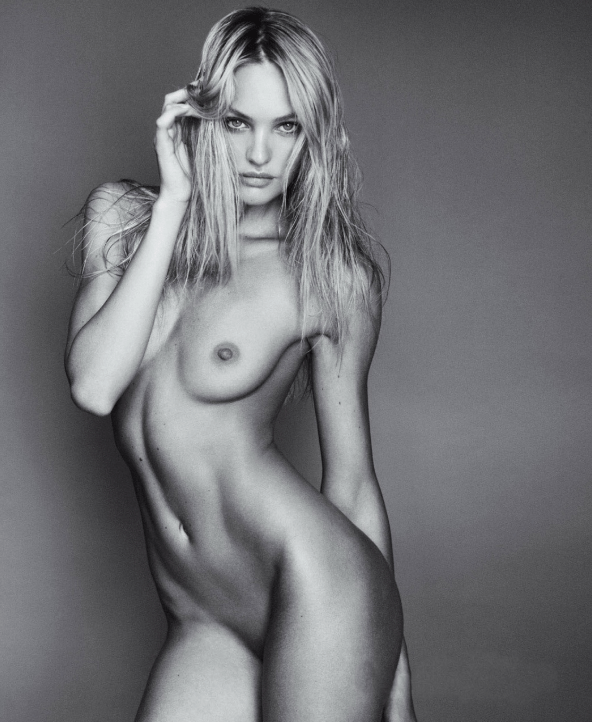
Testino’s portraits not only document well-known faces, but also reflect the way society perceives power, success, and beauty. His images of figures such as Madonna, Lady Gaga, Brad Pitt, Gisele Bündchen, and Kate Moss are not just visual collaborations, but symbolic constructions. They are icons of the era.
In particular, his portraits of British royalty have renewed the way we perceive these figures. From the relaxed intimacy of Princess Diana to the youthful air of Prince William and Kate Middleton, Testino rewrites the traditional iconography of power with a more relatable and contemporary visual language.
In recent years, Testino has shown a more explicit concern for his Peruvian roots. This is clearly evident in his project Alta Moda (2013), in which he portrays residents of Cusco wearing traditional Andean costumes. Unlike his fashion images, here he adopts a more restrained approach, inspired by colonial portraits, such as those of the Cusco School of painting.
This project represents a significant shift: on the one hand, it is an affirmation of cultural pride; on the other, a reinterpretation of his identity. Testino recognizes the visual richness of his country and positions it within the global art world, breaking with the idea that luxury can only be Western or Eurocentric.

Mario Testino is neither a conceptual nor a documentary photographer. His work does not seek to denounce or disturb, but rather to construct beauty, explore desire, and capture the aura of power and celebrity. Testino has also explored vulnerability, identity, and cultural memory. His most personal work engages with the Andean past, his family history, and his transition between the Latin American and the global. Thus, at the intersection of the commercial and the artistic, his legacy is consolidated as one of the most important in contemporary photography.
Recommended Books by Mario Testino
Mario Testino: Portraits
Publisher: National Portrait Gallery, London
Accompanying his famous exhibition at the National Portrait Gallery in London, it brings together iconic portraits of celebrities, models, and royalty such as Diana, Kate Moss, and Madonna.
Mario Testino: Private View
Publisher: TASCHEN
A complete tour of his most celebrated images, from fashion editorials to commercial campaigns. Includes introductions by Anna Wintour, Karl Lagerfeld, and other key figures in the fashion world.
Mario Testino: In Your Face
Publisher: TASCHEN
A daring, provocative, and vibrant anthology. It contains his most audacious, sensual, and experimental images. It was the catalog for his exhibition at the Museum of Fine Arts in Boston.
Mario de Janeiro Testino
Publisher: TASCHEN
A photographic tribute to the city of Rio de Janeiro, capturing its vitality, sensuality, and visual culture. It fuses Testino’s style with Brazilian energy.
Kate Moss by Mario Testino
Publisher: TASCHEN
A tribute to his most constant muse, Kate Moss. This book explores her evolution as a fashion icon through Testino’s lens.


 Camara Work
Deja un comentario