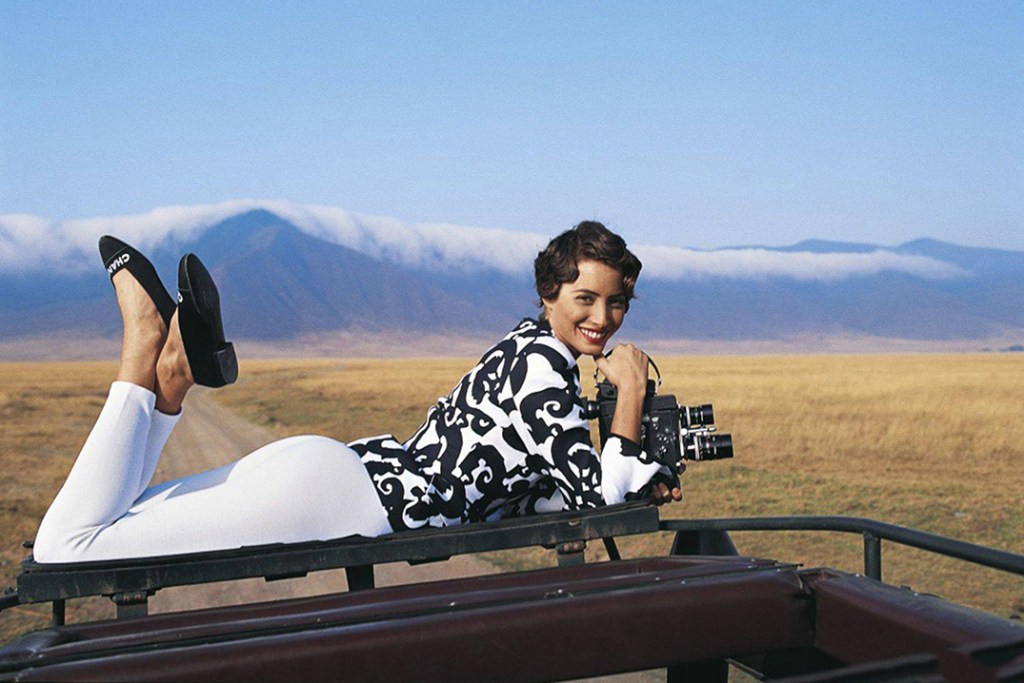
Arthur Elgort was born in Brooklyn, New York, on June 8, 1940, to a Jewish family of Russian origin. His father, Harry Elgort, worked in the restaurant industry, while his mother, Sophie, was a homemaker. From an early age, he displayed an artistic bent, although it wasn’t until his adolescence that he began to explore this interest seriously.
He studied painting at Hunter College in New York City.
During his formative years, Elgort felt that being a painter was too isolating; as he has said in interviews, painting seemed too solitary an activity. It was then that he began experimenting with photography, initially as a hobby.
He bought a secondhand Nikon camera and began taking candid portraits of friends and acquaintances. His intuitive and unconventional approach developed alongside his interests in film and music, especially jazz. He also served as an assistant to Swedish photographer Gosta «Gus» Peterson, whose inclination toward naturalistic, motion photography had a great influence on him.

This hybrid training in painting, street work, film, and music gave him a distinct sensibility that would define his career. Photography, for Elgort, was not simply an image, but a lived moment, a fragment of energy and spontaneity.
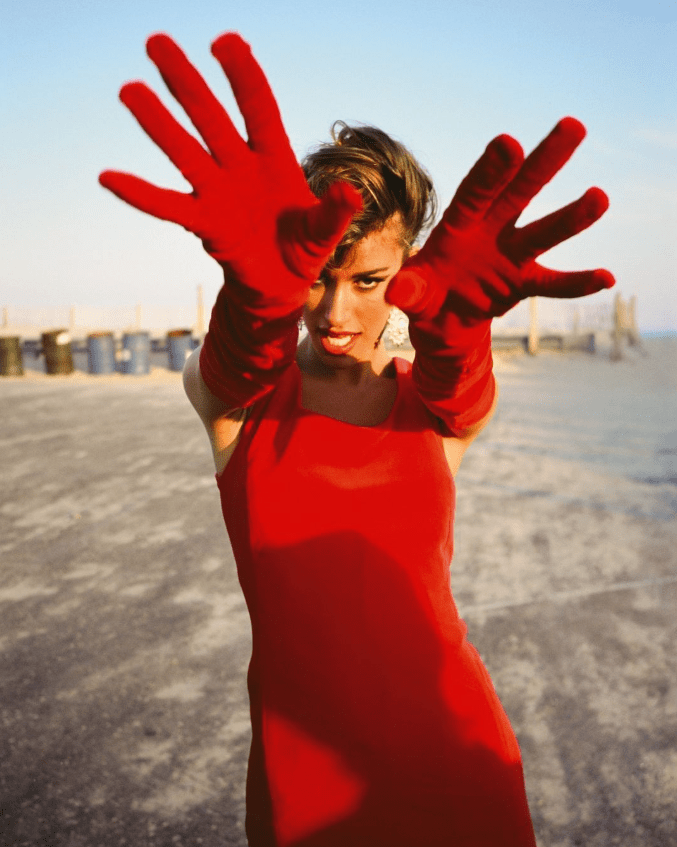
He began his professional career as a photographer in the early 1970s, at a time when fashion photography was dominated by theatricality and rigidity. The publication of his first editorial work in British Vogue in 1971 was a turning point: his images broke with prevailing tradition and proposed a new way of representing fashion. The models didn’t pose rigidly in front of the camera; instead, they ran, laughed, or simply moved freely around the scene, framed by natural lighting and seemingly spontaneous composition.

This revolutionary approach was considered by many to be a breath of fresh air. While other photographers remained tied to the conventions of the studio, Elgort preferred to go out into the streets, parks, cafes, or even backstage at fashion shows, in search of real-life settings that would lend authenticity to his images. Instead of hiding the camera behind artifice, he used it as a tool to get closer to his subject.
After his debut, he quickly became a regular contributor to Vogue (British, American, Italian, and French editions), but also worked for other publications such as Glamour, GQ, Elle, Vanity Fair, Rolling Stone, and Interview Magazine. His visual language, defined by freedom of movement and emotional freshness, made him one of the most sought-after photographers in the editorial world during the 1980s and 1990s.
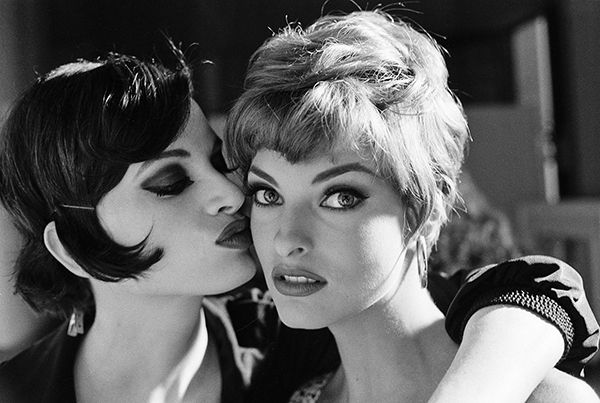
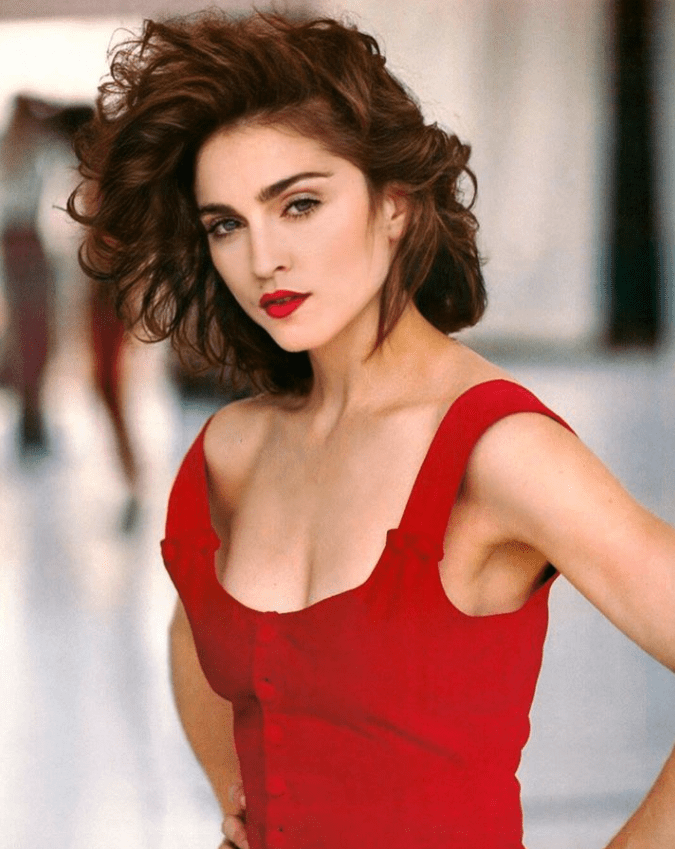
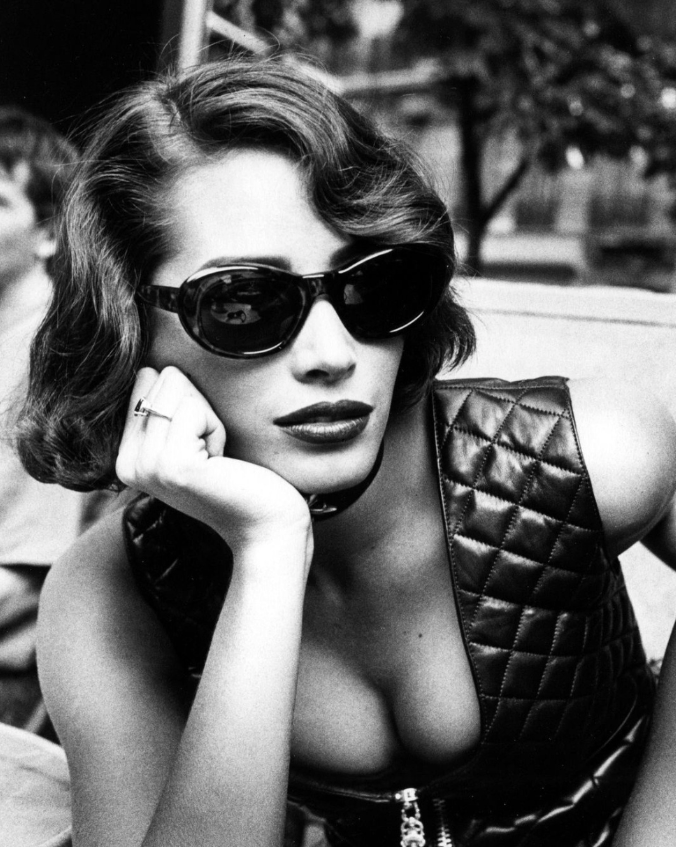
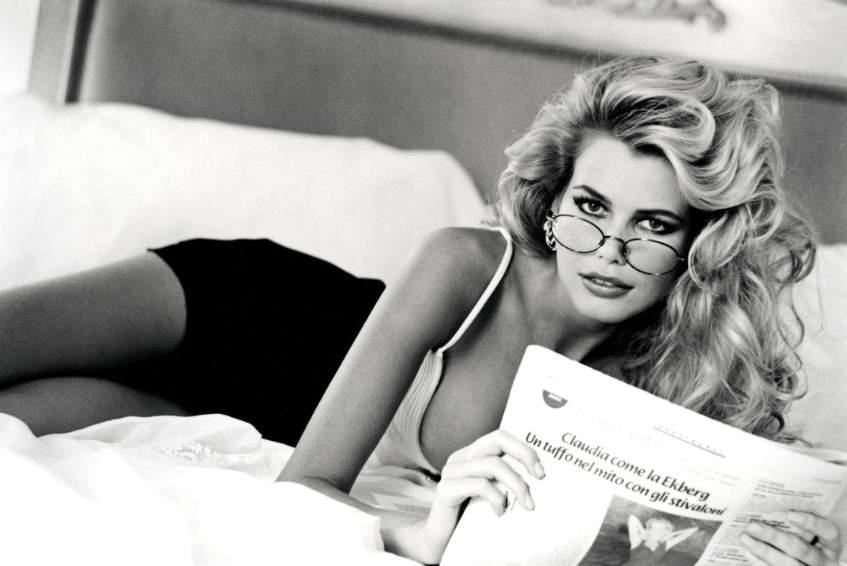
During the 1980s and 1990s, Elgort was a central figure in the rise of the supermodel. He photographed Naomi Campbell, Linda Evangelista, Christy Turlington, Cindy Crawford, Claudia Schiffer, Helena Christensen, Tatjana Patitz, and Kate Moss, many times before they became global icons. His ability to capture the charisma of these women not only helped define their public images but also shaped a new visual era in fashion.
His talent transcended the magazines. Throughout his career, Elgort was responsible for iconic advertising campaigns for brands such as Chanel, Yves Saint Laurent, Valentino, Calvin Klein, Ralph Lauren, Dior, Armani, Oscar de la Renta, and many others. Each campaign bore his signature stamp: naturalness, casual elegance, and a use of light that seemed to capture the ephemeral and the eternal at the same time.
He also directed several short films and documentaries, being one of the few fashion photographers of his generation to take an active interest in the movement of the image. His documentary Colorado Cowboy (1994), which portrays the life of cowboy Bruce Ford, won the Best Documentary Award at the Sundance Film Festival, demonstrating that his narrative sensibility extended beyond the world of fashion. He has also made portraits of celebrities, actors, musicians and dancers, including Mikhail Baryshnikov, Natalie Portman, Ethan Hawke, Leonard Bernstein, Mick Jagger, Lenny Kravitz and many others.
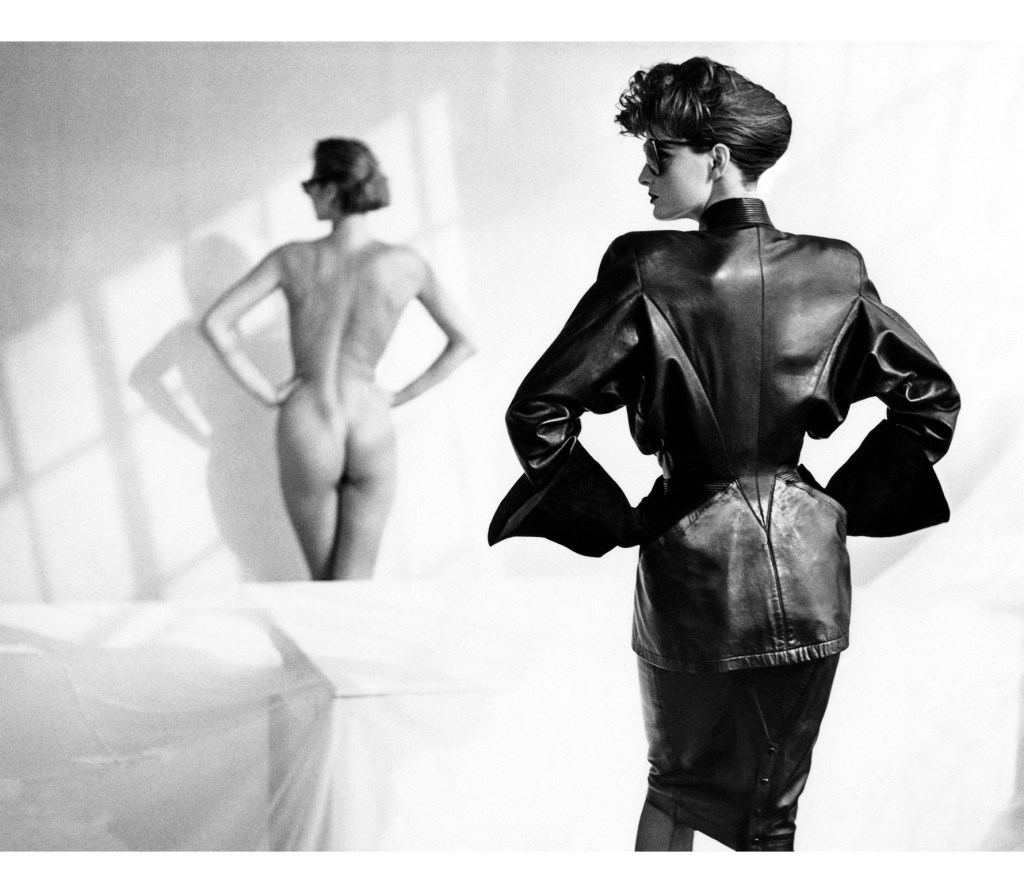
One of the most important names Elgort has worked with is Grace Coddington, Vogue’s creative editor, who was an early advocate of his fresh, natural style. His collaborations with Coddington are among the most memorable in the editorial world: photographic series that blended fashion, visual storytelling, and artistic sensibility.
Además, trabajó con algunos de los diseñadores más influyentes del siglo XX: Karl Lagerfeld, Azzedine Alaïa, Jean-Paul Gaultier, John Galliano, entre muchos otros. Para Lagerfeld, por ejemplo, realizó campañas y editoriales que exploraban una mezcla de elegancia clásica y espontaneidad moderna. Con Alaïa organizó en París la exposición Freedom, una retrospectiva de su trabajo que celebraba la belleza sin restricciones.

Elgort also maintained close friendships with photographers such as Richard Avedon, Irving Penn, and Steven Meisel, although his style always remained distinct. Even after more than five decades of career, Arthur Elgort remains an active figure. His archive has been the subject of numerous exhibitions and retrospectives, and many of his books have been reissued by art and photography publishers.
Beyond her style, her legacy is that she liberated fashion photography from rigidity and demonstrated that beauty can be found in the instant, in the unplanned gesture, in the street light, or in an unscripted laugh. Her gaze, always honest and unpretentious, has influenced entire generations of photographers seeking to capture the truth behind glamour.
Throughout his career, Arthur Elgort has received numerous accolades for both his innovation in fashion photography and his documentary sensibility. One of his most notable honors was the CFDA Board of Directors’ Award, presented by the Council of Fashion Designers of America in 2011, which he received from his friend and collaborator Grace Coddington. This award celebrates exceptional contributions to the world of fashion beyond design.
In 1994, Elgort won an award at the Sundance Film Festival for his work on the documentary Colorado Cowboy: The Bruce Ford Story, which explored the life of a rodeo cowboy. The Best Documentary award reflected his ability to transcend the publishing world and tell stories from a sincere and human perspective.
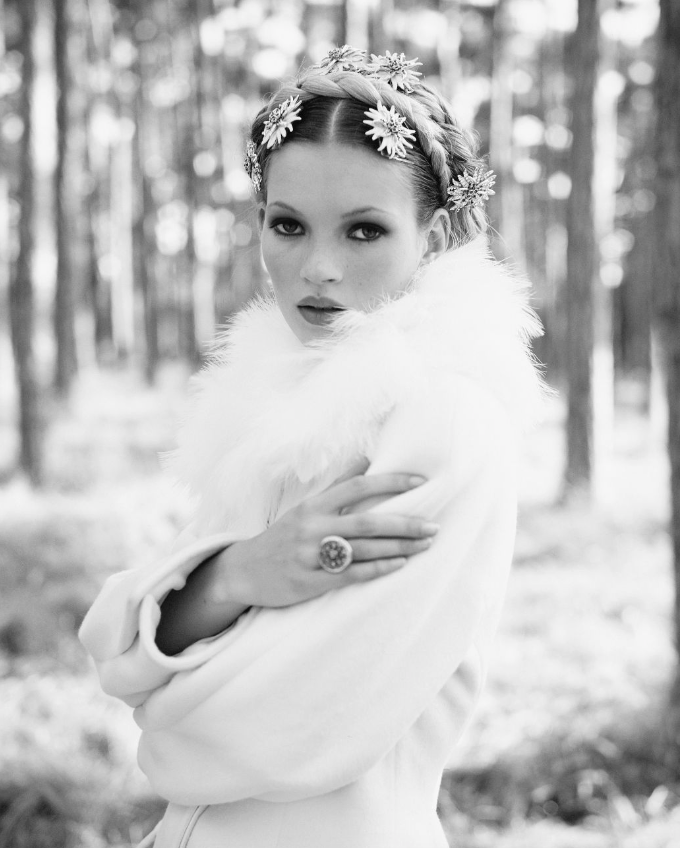
His work has been exhibited at renowned institutions such as the International Center of Photography (ICP) in New York, the Victoria and Albert Museum in London, and the Museum of Fine Arts in Houston. Additionally, in 2018, he was honored with an honorary Doctorate of Humane Letters from Hunter College, recognizing his artistic and cultural legacy. In recent years, various publishing houses and galleries have organized retrospectives and monographs celebrating his impact on modern photography.
One of the central elements of his work is the humanization of glamour. Instead of unattainable goddesses, his models resemble real people, albeit extraordinarily beautiful, situated in a relatable, possible world. This vision was key during the supermodel era, when fashion embraced the models’ charisma and personality as an essential part of the visual narrative.
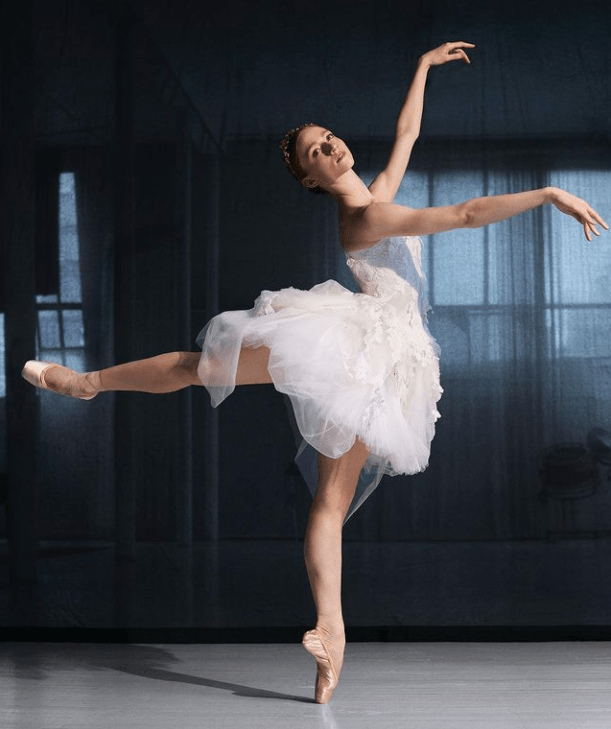
Elgort also dedicated entire series to the world of music and dance, especially jazz and ballet. These themes, which he loved since his youth, appear in works such as Jazz (2018) and Ballet (2020), in which rhythm, gestures, and bodily grace become essential elements of the image.
He has published several books throughout his career. Some of the most notable include:
Personal Fashion Pictures (1983)
The Swan Prince (1987)
Arthur Elgort’s Models Manual (1993)
Camera Ready: How to Shoot Your Kids (1997)
Camera Crazy (2004)
Arthur Elgort: The Big Picture (2012/2014) – This is a comprehensive book covering five decades of his work.
Arthur Elgort: Ballet (2020)
Arthur Elgort: I Love… (reprinted 2019)
Arthur Elgort: Jazz (2018)
Elgort’s legacy lies not only in his images, but in having expanded the boundaries of what is possible within fashion photography, uniting art, spontaneity, and everyday beauty with a visual honesty that remains relevant and powerful today.
 Camara Work
Deja un comentario