
Antanas Sutkus is a renowned Lithuanian photographer born on June 27, 1939, in Lithuania. He is known as one of the pioneers of documentary photography in his country and for his outstanding black and white work capturing everyday life and Lithuanian culture.
Throughout his career, he has received numerous awards and recognition, and his photographs have been exhibited in major galleries and museums around the world, standing out for their ability to capture the human essence and cultural identity.
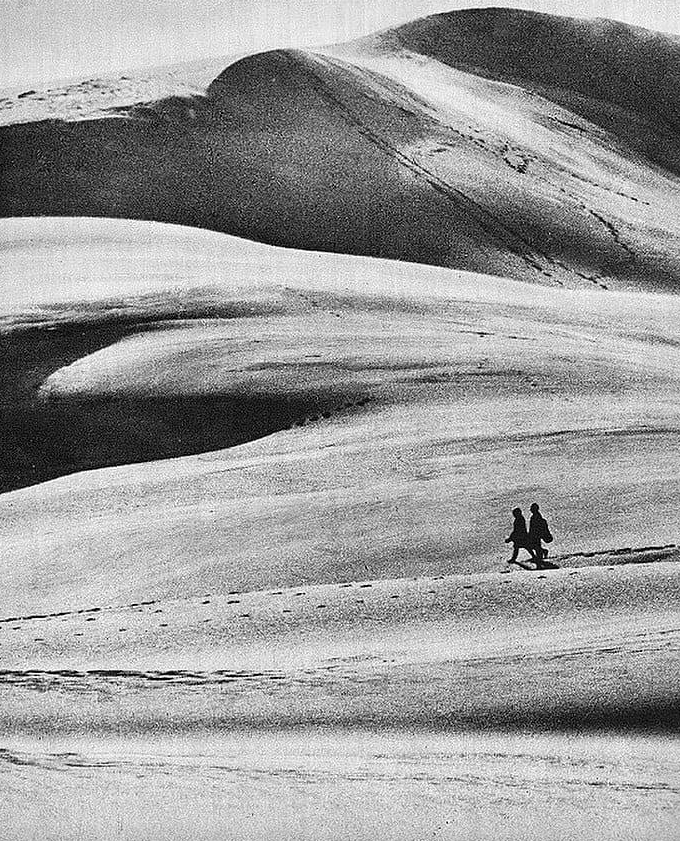
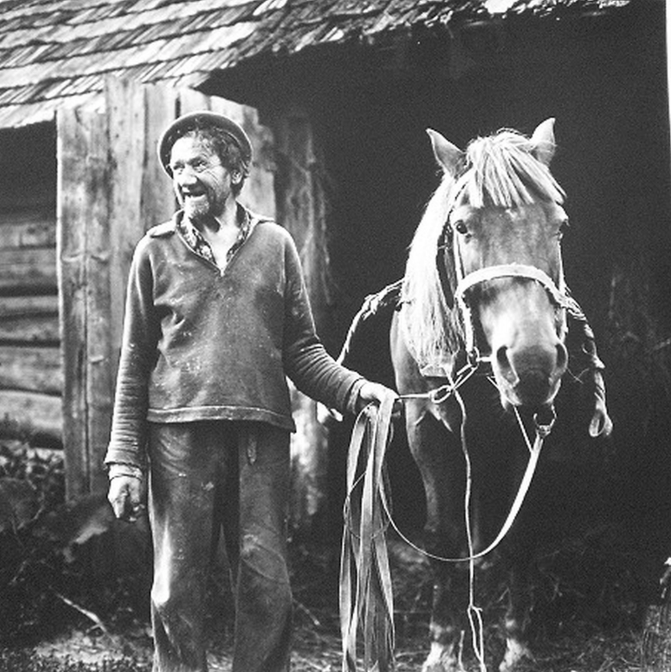
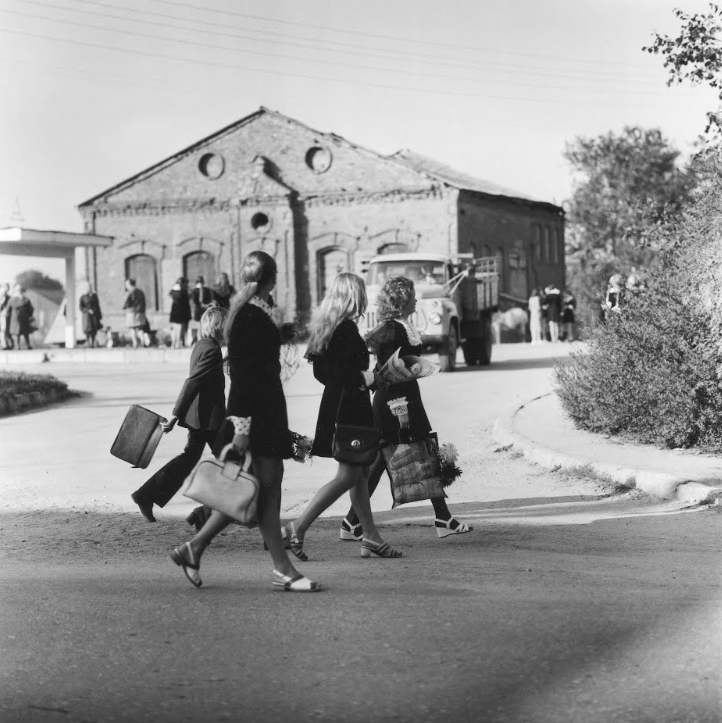
He began photographing in the 1950s, in a political context in which photography had to fulfill a functional role: to show the success of the Soviet system. In that context, his choice to portray the intimate, silent, and often melancholic lives of ordinary people went against what was required of him. His subjects were children with lost gazes, elderly people sitting on their doorsteps, students, mothers, peasants, workers: the real people of Lithuania. Antanas Sutkus became a lyrical chronicler of the Lithuanian soul, of an existence that passed below the radar of power, between routine and hope.
His best-known and most ambitious work was «People of Lithuania,» a project begun in 1970 and continued for decades. This series constitutes a kind of visual biography of the Lithuanian people, a vast collection of portraits that spans generations, social classes, and diverse environments.

What is remarkable about this work is not only its breadth, but the tone with which it approaches its subjects. Far from exoticism, Sutkus observes with empathy. His images do not idealize, but neither do they exploit misery; they simply show it as part of the texture of life. There is a tacit understanding in his work that every face, no matter how anonymous it may seem, carries a story. He has said: «My goal was to bear witness to life as it was, without lies.» And that honesty is felt in every image: there are no poses, no artifice, only time frozen in an instant of revelation.
One of the recurring motifs in Sutkus’s work is childhood. His portraits of children in the streets, in the fields, at school, or playing possess a moving force. Perhaps because childhood represented for him a space where ideology had not yet completely contaminated the spirit, Sutkus found in children a symbol of resistance.
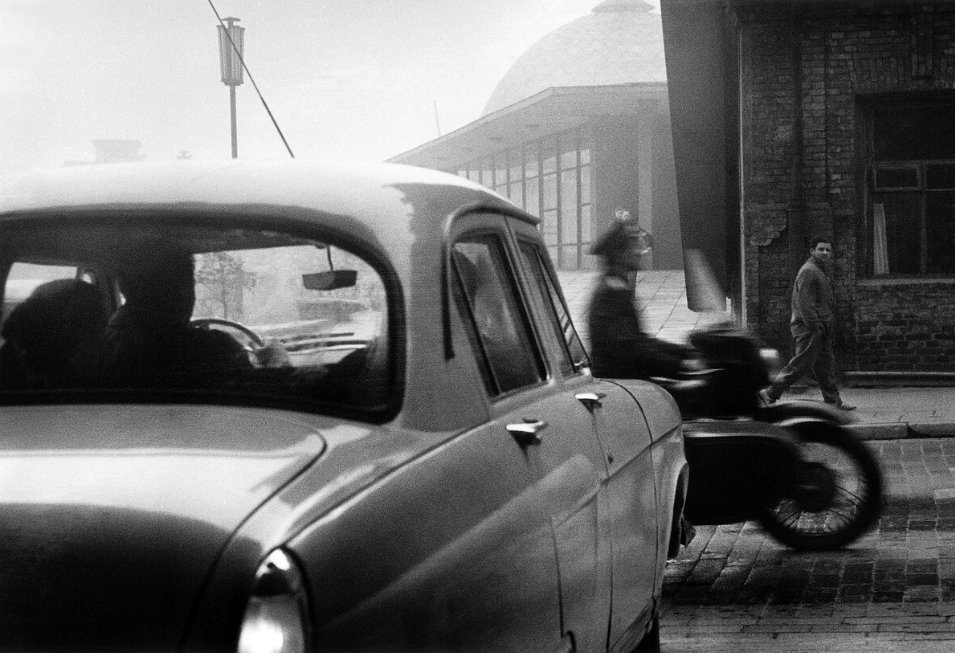
Sutkus’s work can also be understood as a form of cultural resistance. At a time when Lithuanian national identity was subject to censorship, his photographs captured and preserved essential elements of that identity: the human landscape, religiosity, connection to the land, and everyday rituals. This visual archival quality is not intended to be monumental, but rather intimate. In this sense, Sutkus is part of a humanist tradition that includes photographers such as Henri Cartier-Bresson and Josef Koudelka, with whom he shares a respect for the subject and an attention to the decisive moment. One of the best-known anecdotes from Sutkus’s work is his encounter with Jean-Paul Sartre, whom he photographed during his visit to Lithuania in 1965. The image of Sartre walking with his hair tousled by the wind has become iconic.
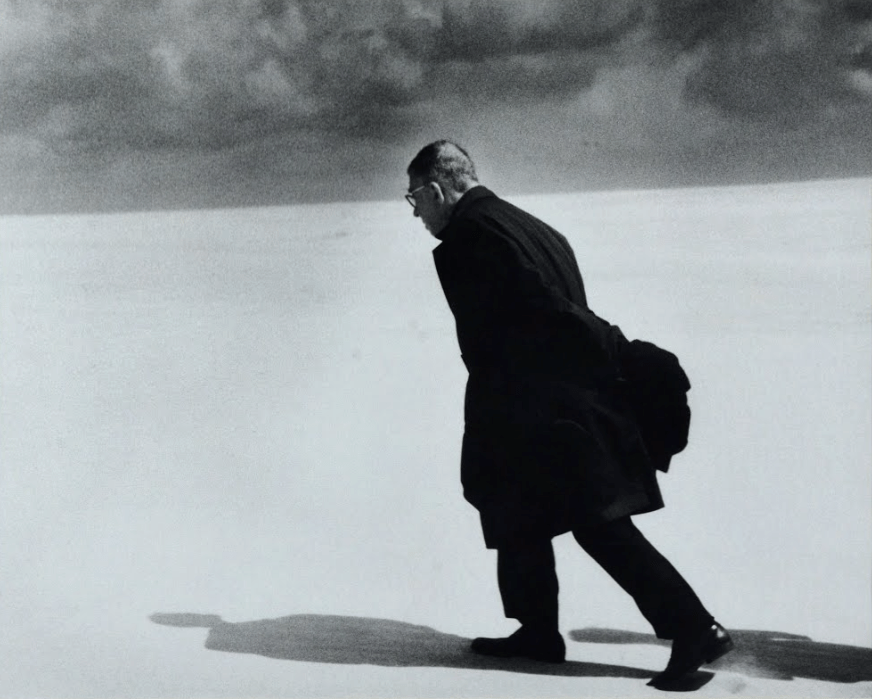
This encounter is not merely anecdotal. In a way, Sartrean existentialism finds an echo in Sutkus’s vision: the idea that each individual is a world, and that the human being must be viewed with responsibility and freedom.
Sutkus’s style is simple and direct. He works in black and white, which contributes to reinforcing the timeless character of his images. The composition is precise, but not rigid; there is a balance between the spontaneous and the constructed. Natural light, open framing, and emotional closeness to the subject are distinctive features of his language.
He does not seek easy impact or exaggerated drama. Emotion emerges from authenticity when photographing.
Today, Antanas Sutkus is considered a master of humanist photography. His work has been published and exhibited in Europe, the United States, and Asia. He is also a symbol of Lithuania’s cultural renaissance following independence in 1991. But beyond the historical context, his work transcends the universality of his perspective.
Sutkus teaches us that, even under oppressive regimes, it is possible to create beauty, empathy, and truth.


 Camara Work
Deja un comentario